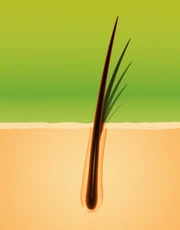

What is scalp eczema?
Eczema, also called dermatitis, is inflammation of the skin. On the scalp it causes itching, redness, flaking and soreness, and in a bad flare the skin can weep, crust or crack. On brown and black skin the redness can be harder to see, and patches may look darker or greyish.
There are several types, and they need different approaches. A reaction to hair dye, for example, won’t settle until you stop using that dye, however good your shampoo is.
The short answer
Scalp eczema means inflamed, itchy, red or flaky skin on the scalp. The commonest types are seborrhoeic dermatitis, a reaction to a hair product or dye (contact dermatitis), and atopic eczema. Finding the type and the trigger is the key to treating it, especially if a product is to blame.
Types of eczema on the scalp
These are the types I see most often. Some people have more than one.
Seborrhoeic dermatitis
The most common type on the scalp: greasy, yellowish scale and redness, often on the eyebrows and ears too. Seborrhoeic dermatitis.
Allergic contact dermatitis
An allergy to an ingredient, most often in hair dye. It usually appears one to three days after contact, and can develop after years of using the same product.
Irritant contact dermatitis
Damage to the skin from harsh products such as relaxers, bleach, strong detergents or too much heat. Anyone can get it with enough exposure.
Atopic eczema
The eczema that often starts in childhood, with dry, itchy skin elsewhere on the body, and often asthma or hay fever in the family.
Neurodermatitis
An itch–scratch cycle in one area, often at the nape of the neck. Repeated scratching makes the skin thick, leathery and even itchier.
Psoriasis
Not eczema, but often confused with it: thick, silvery scale on raised patches with clear edges. Scalp psoriasis.
Allergic reaction to hair dye
Hair dye is the most common cause of allergic contact dermatitis on the scalp. The usual culprit is PPD (para-phenylenediamine), found in most permanent dark dyes, or related chemicals.
- Itching, burning, redness or swelling of the scalp, hairline, ears, neck or eyelids
- Symptoms that start one to three days after colouring, and get worse with each colour
- Weeping, crusting or blistering in a strong reaction
You can become allergic to a dye you’ve used safely for years. A black henna tattoo can also make you allergic to PPD. Do the manufacturer’s skin test 48 hours before every colour, even with a brand you know.
Get urgent help if your face, eyes or lips swell, and call 999 if you have any difficulty breathing. Wash the dye out with plenty of water and don’t use it again.
What makes scalp eczema worse?
- Hair dyes, bleach, perms and relaxers
- Fragrances and preservatives in shampoos, conditioners and styling products
- Very hot water and heat styling
- Sweat, and hats or helmets that trap it
- Cold, dry weather and central heating
- Stress, which can make any eczema flare and makes the itch harder to ignore
- Scratching, which damages the skin and keeps the itch going
Keeping a note of when flares happen, and what you used or did in the few days before, often reveals the trigger.
Scalp eczema treatment
Treatment depends on the type. Most scalp eczema can be brought under control, and contact dermatitis often clears completely once the trigger is found.
Find and avoid the trigger
For contact dermatitis this is the treatment. If a product is to blame, it will keep flaring until you stop using it.
Patch testing
If an allergy is suspected but the cause isn’t clear, a dermatologist can patch test to find the exact ingredient.
Gentle washing
A mild, fragrance-free shampoo, lukewarm water and a thorough rinse protect the skin while it heals.
Calming a flare
A GP may prescribe a steroid scalp lotion or mousse for a short time to settle the inflammation.
Breaking the itch–scratch cycle
Short nails, cool compresses and noticing when you scratch help thickened, itchy skin to settle.
Safer colouring
If you’ve reacted to a dye, don’t use it again. Talk to your hairdresser and doctor before trying any alternative, as many “PPD-free” dyes contain related chemicals.
How I can help
At a consultation in Forest Row we spend about an hour together. I examine your scalp closely, work out which type of eczema it is, and go back over your products, colouring, washing routine, health and stress to find what’s triggering it.
Please bring the products you use, or photos of their ingredient lists, and the name of any dye you’ve reacted to. You leave with a written plan, and a letter to your GP if you need prescribed treatment or a referral for patch testing. What happens at a consultation.
When to see your GP first
Please see your GP or call NHS 111 if:
- your hair loss came on suddenly and you feel unwell
- your scalp is very painful, swollen, weeping or bleeding
- you have patches of hair loss with redness or scarring that are spreading quickly
- you think a new medicine may be the cause. Don’t stop it without speaking to your doctor
You can still see me as well. I’ll happily liaise with your GP if further tests are needed.
Questions about scalp eczema
If yours isn’t here, send me a message and I’ll get back to you.
Can I be allergic to a hair dye I’ve used for years?
Yes. Allergy develops with repeated exposure, so a reaction can start after years of using the same dye. That’s why the skin test is recommended before every colour.
Is a hair dye skin test 100% reliable?
No. It reduces the risk but can’t rule out a reaction. If you’ve reacted before, don’t rely on a skin test to try the same dye again.
Can scalp eczema cause hair loss?
A badly inflamed scalp can shed more, and scratching breaks hairs, but this usually recovers once the eczema settles. A severe dye reaction can occasionally cause heavier shedding.
Is scalp eczema contagious?
No. Eczema isn’t an infection, so it can’t be caught or passed on. If the skin becomes infected from scratching, see your GP.
Is scalp eczema the same as dandruff?
Not quite. Dandruff is mild flaking without much inflammation. Seborrhoeic dermatitis, a type of eczema, is the same process with more redness and scale.
Can stress cause scalp eczema?
Stress doesn’t cause it on its own, but it can trigger flares and make itching harder to resist, which keeps the eczema going.
Let’s find out what’s going on
Book online at a time that suits you. If you have a question first, send me a message.