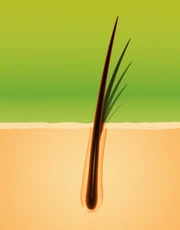
A trichologist is a hair and scalp specialist
A trichologist is a specialist in the health of the hair and scalp. Trichologists diagnose and treat hair loss, thinning, breakage and scalp conditions such as dandruff, psoriasis and an itchy or sore scalp, looking at the whole person rather than just the hair.
What is trichology? Trichology is the study of the hair and scalp, and the problems that affect them. The word comes from the Greek trikhos, meaning hair. It became a profession in its own right in the UK in 1902, when the Institute of Trichologists was founded.
I’m a consultant trichologist and have worked in trichology since 1999, so here is what a trichologist does, how we differ from doctors, and how to find a good one.
In short
- A specialist in hair and scalp health
- Treats hair loss, thinning, breakage and scalp conditions
- Trained and registered with a professional body such as the Institute of Trichologists
- No GP referral needed to see one
What does a trichologist do?
Whatever the problem, a good trichologist works through the same steps. What happens at my consultations.
1
Listens to your history
Your hair history, general health, medication, diet, stress, family background and how the problem is affecting you. Most of the clues are here.
2
Examines your hair and scalp
A close look at the pattern of hair loss, the density and condition of your hair, and the health of your scalp.
3
Finds the cause
Explains what’s happening in plain English. If tests would help, a trichologist liaises with your GP, or you can have them done privately.
4
Makes a plan and supports you
A treatment plan made for you, at home and sometimes in clinic, with check-ups to consider your treatment process and support you further.
What conditions does a trichologist treat?
Trichologists see every hair type, from fine to coarse and afro hair, in women, men, teenagers and children.
Hair loss in women, men and children
Thinning and female pattern hair loss, male pattern baldness, shedding (telogen effluvium), alopecia areata, scarring hair loss such as frontal fibrosing alopecia, traction alopecia and trichotillomania.
Scalp conditions
Dandruff, seborrhoeic dermatitis, psoriasis, eczema, folliculitis, an itchy, oily or sore scalp, head lice and cradle cap.
Damaged and breaking hair
Hair that snaps or splits from heat styling, bleaching, tight styles or rough handling, which is often mistaken for hair loss. A trichologist can find the cause and help you repair it.
Is a trichologist a doctor?
No. Trichology is its own profession, with its own training, qualifications and code of ethics. A trichologist specialises only in the hair and scalp, and has time to look at everything that might be affecting them.
A dermatologist is a medical doctor who specialises in skin, hair and nail disease, and can prescribe medicines. The two often work well together: if I think you need a medical opinion or treatment only a doctor can give, I’ll tell you and liaise with your GP.
Trichologist vs dermatologist: for thinning, shedding, breakage and most scalp problems, a trichologist is a good place to start. For scarring hair loss or conditions that need prescription medicine, you may need a dermatologist. See how the two compare, and what the NHS offers.
How to find a good trichologist
Anyone in the UK can call themselves a trichologist, so it’s worth checking. A registered trichologist belongs to a professional body, has completed recognised training and follows a code of ethics.
- Check the letters after their name. Members of the Institute of Trichologists use AIT (Associate), MIT (Member) or FIT (Fellow).
- Check the register. The Institute of Trichologists’ register is accredited by the Professional Standards Authority, so you can look anyone up.
- Ask about experience with your kind of problem, and how they work with GPs.
I’m a Member of the Institute of Trichologists, registration no. 10060. Check my registration.
Training and qualifications
In the UK, the main route is the Institute of Trichologists’ course, which takes about two and a half years part-time. Graduates can apply to join as an Associate Member (AIT), and with experience progress to Member (MIT) and Fellow (FIT). How to become a trichologist.
A consultant trichologist is an experienced practitioner who diagnoses and treats patients independently. I also give talks and training on hair and scalp health. Training and talks.
About me
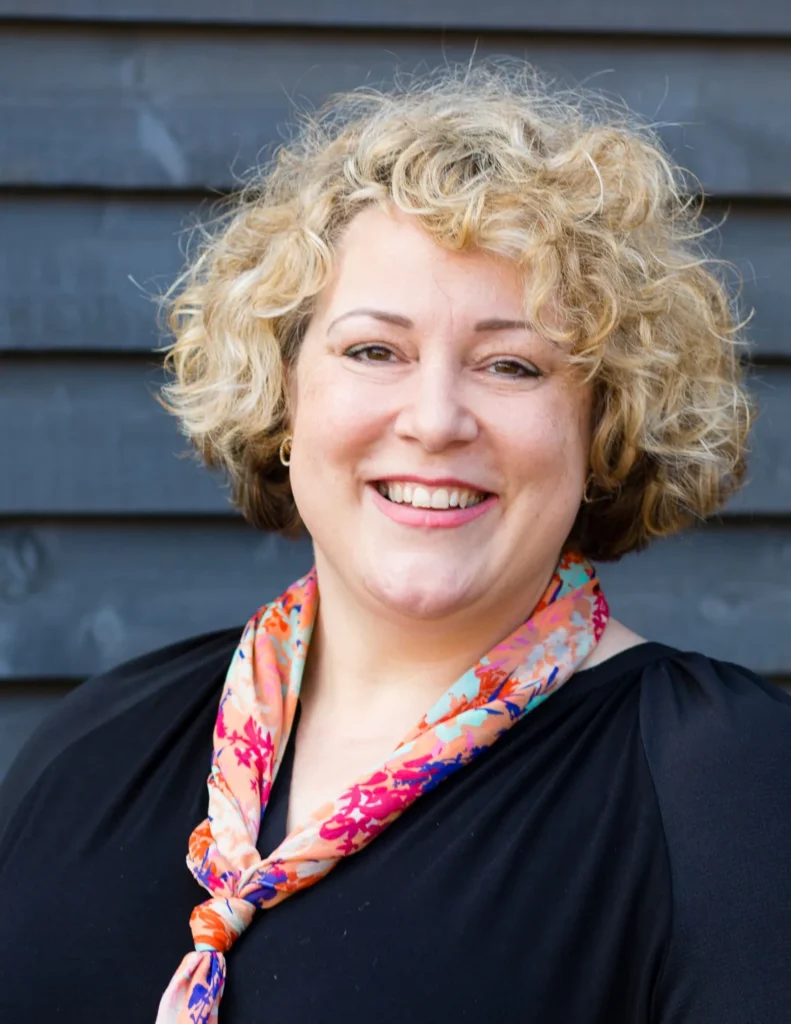
I trained at the Philip Kingsley clinic in London from 1999, working in its laboratory, then as a clinical assistant and a consulting trichologist, and I’ve run my own practice since 2011. Today I see patients at my clinic in Forest Row, East Sussex.
I’m a Member of the Institute of Trichologists and the Royal Society of Medicine, and I also work as an expert witness. My aim is simple: that trichology becomes the first port of call when someone notices a change in their hair.
Questions about trichologists
If yours isn’t here, send me a message and I’ll get back to you.
What is a trichologist?
A trichologist is a specialist in the health of the hair and scalp, who diagnoses and treats hair loss, thinning, breakage and scalp conditions.
What does a trichologist do?
A trichologist takes a full history, examines your hair and scalp, works out what’s causing the problem and gives you a treatment plan, liaising with your GP if tests or medical treatment are needed.
What is trichology?
Trichology is the study of the hair and scalp and the problems that affect them. The word comes from the Greek for hair.
Is a trichologist a doctor?
No. Trichology is its own profession, with its own training and register. A dermatologist is a medical doctor specialising in skin, hair and nails, and the two often work together.
Should I see a trichologist or a dermatologist?
For thinning, shedding, breakage and most scalp problems, a trichologist is a good place to start. For scarring hair loss or conditions that need prescription medicine, you may need a dermatologist.
Do I need a referral to see a trichologist?
No. You can book directly. Trichologists aren’t available on the NHS, so appointments are private.
How do I know a trichologist is qualified?
Look for membership of a professional body such as the Institute of Trichologists (AIT, MIT or FIT after their name), and check their entry on the register.
Your trichology clinic in Forest Row, Sussex
WhereWillow Treatments Suite, The Anderida Practice, Forge House, Lower Road, Forest Row, East Sussex RH18 5HE
WhenMonday, Thursday and Saturday, 9am to 6pm
Scalp treatmentsFor patients after a consultation: Todd’s Hairdressing, 29 High Street, East Grinstead RH19 3AF. Wednesday, 9am to 5:30pm.
Phone07860 387332. I’m with patients on clinic days, so I may not answer straight away. Leave a message, or book online.
By carOn the A22 between East Grinstead and Uckfield, at the edge of Ashdown Forest. Free parking in front of Java & Jazz or nearby, with two free public car parks a short walk away.
By trainForest Row has no station. The nearest is East Grinstead, about 3 miles away.
Hair loss treatment near you
Patients come from East Grinstead, Crowborough, Uckfield, Haywards Heath, Horsham, Crawley, Hailsham, Eastbourne, Brighton & Hove, Tunbridge Wells and Surrey. All areas I cover.
Let’s find out what’s going on
Book online at a time that suits you. If you have a question first, send me a message.