What is hair breakage?
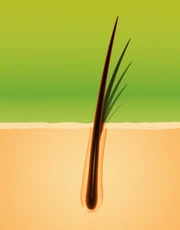
Each hair is a fibre made of keratin, with a protective outer layer called the cuticle. When the cuticle is worn away by heat, chemicals or friction, the inside of the hair is exposed and the fibre weakens. It splits at the ends or snaps part-way along, leaving short, frizzy pieces and hair that never seems to get longer.
The good news is that breakage doesn’t affect the follicle. Your hair is still growing normally from the scalp; it’s the length that’s being lost. Change what’s damaging it, and the new growth comes through healthy.
The short answer
Hair breakage is when hairs snap along their length, rather than falling out from the root. It’s usually caused by heat, chemical treatments, rough handling or tight styles. Broken hair can’t be mended, but you can stop more breaking, and the hair growing from your scalp is unaffected.
Is it breakage or hair loss?
Pick up a few of the hairs you’ve lost and look at the ends:
- Broken hairs are short, uneven lengths with no white bulb at either end.
- Shed hairs are full length, with a tiny white bulb at the root. That’s normal shedding, or telogen effluvium if there are lots of them.
Signs of breakage include split ends, frizz that won’t smooth, flyaways and short pieces around the crown and hairline, rough tangly lengths, and hair that stays at the same length however long you grow it.
If your parting is widening or more scalp is showing, the problem is probably thinning rather than breakage. Female pattern hair loss · Male pattern hair loss.
Patches of broken hairs in one area can be hair pulling, or in a child, scalp ringworm. Very rarely, fragile hair from early childhood is caused by an inherited hair shaft condition, which needs a specialist.
What causes hair breakage?
Breakage is nearly always caused by things done to the hair, which is good news, because they can be changed.
Heat styling
Straighteners, curling tongs and hairdryers held close and hot. Wet hair is especially fragile under heat.
Bleach, colour and relaxers
Chemical treatments break bonds inside the hair. Repeated lightening, home bleach and relaxers are the biggest culprits.
Rough handling
Brushing wet hair from the roots, tugging out tangles and towel rubbing all wear the cuticle away.
Tight styles and accessories
Tight ponytails, elastic bands, clips, extensions and weaves cause breakage where they grip, and can pull hair out at the root. Traction alopecia.
Sun, sea and swimming
UV light, salt water and chlorine dry and weaken the hair over a summer.
Not enough trims or conditioning
Ends that are years old are weathered and split. Without conditioner, hair tangles and breaks more easily.
Low iron, an underactive thyroid and a poor diet can make hair weaker and drier, so if breakage comes with tiredness or shedding, it’s worth having blood tests.
Chemically damaged hair and scalp
Bleach, relaxers, perms and some straightening treatments can damage both the hair and the scalp, especially when they’re left on too long, overlapped onto hair that’s already been treated, or used at home.
- Chemically damaged hair feels gummy or stretchy when wet and straw-like when dry, and may snap off close to the scalp.
- A damaged scalp can be red, sore, blistered or weeping after a treatment. This is a chemical burn.
- Don’t have colour and a perm or relaxer on the same day, and leave several weeks between chemical treatments.
If your scalp burns during a treatment, rinse it with plenty of cool water straight away. See a pharmacist or GP for a sore scalp, and get medical help the same day for blistering, open skin or a burn that is spreading. Severe scalp burns can scar and cause permanent hair loss.
If you’re considering a claim after salon damage, I also provide independent expert reports. Expert witness service.
How to stop hair breakage
These changes protect your hair from now on. Most people see less breakage within a few weeks.
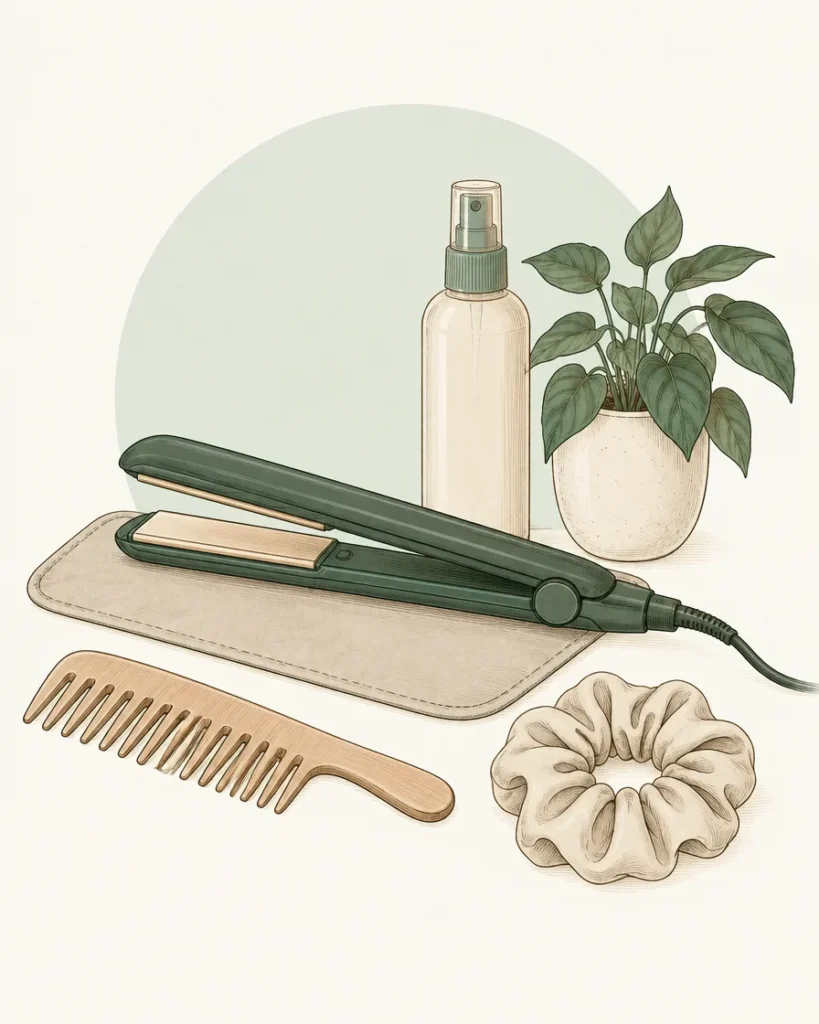
- Turn heat tools down to around 180°C or lower, always use a heat protectant, and let hair dry partly before blow-drying.
- Condition every time you wash, and use a mask once a week. How to choose a conditioner.
- Detangle with a wide-toothed comb, starting at the ends and working up.
- Use soft scrunchies or silk ties, change where you tie your hair, and avoid elastic bands with metal joins.
- Space out colour and chemical treatments, and ask your hairdresser to colour only the regrowth.
- Have a trim every 8 to 12 weeks to remove split ends before they travel up the hair.
- Protect hair from the sun, and rinse after swimming.
Breakage in Afro-textured hair
Tightly curled hair is naturally drier and more fragile at each bend, so it breaks more easily, particularly with relaxers, tight braids, weaves and frequent manipulation.
- Detangle gently when the hair is wet and conditioned
- Keep moisture up with leave-in conditioners and seal the ends
- Choose protective styles that don’t pull at the hairline, and give your hair breaks between them
- Sleep on a satin pillowcase or wear a satin bonnet
Split ends can’t be mended. Products that promise to repair them only hold the hair together until the next wash; the only cure is a trim. Split ends: causes and how to prevent them.
How I can help
At a consultation in Forest Row I examine your hair and scalp closely, check whether you’re losing hair from the root or from breakage, and go through your styling, colouring, products, diet and health.
You leave with a written plan for protecting your hair and getting it back into condition, including which products suit your hair type. If blood tests would help, I’ll explain which ones. What happens at a consultation.
When to see your GP first
Please see your GP or call NHS 111 if:
- your hair loss came on suddenly and you feel unwell
- your scalp is very painful, swollen, weeping or bleeding
- you have patches of hair loss with redness or scarring that are spreading quickly
- you think a new medicine may be the cause. Don’t stop it without speaking to your doctor
You can still see me as well. I’ll happily liaise with your GP if further tests are needed.
Questions about hair breakage
If yours isn’t here, send me a message and I’ll get back to you.
Why is my hair breaking off?
Usually because of heat, bleach or other chemical treatments, rough brushing or tight styles. Look at the broken hairs and think about what you do to your hair most often: that’s usually the cause.
How do I stop my hair snapping?
Lower the heat, condition every wash, detangle gently from the ends, use soft hair ties and space out chemical treatments. Regular trims stop split ends travelling.
Is my hair breaking or falling out?
Broken hairs are short with no bulb at the end. Hairs that fall out from the root are full length with a tiny white bulb.
Does hair breakage grow back?
Yes. Breakage doesn’t damage the follicle, so the hair keeps growing from the scalp. Protect the new growth and the length will come back.
Can diet cause hair breakage?
A poor diet, low iron or too little protein can make hair weaker and drier. It’s worth checking if breakage comes with shedding or tiredness.
What is fragilitas crinium?
It’s the medical name for split ends and fragile hair that splits along its length.
Let’s find out what’s going on
Book online at a time that suits you. If you have a question first, send me a message.