Scalp problems are common, and treatable
Your scalp is skin, and like any skin it can become itchy, flaky, oily, spotty or sore. Scalp conditions are very common and can be uncomfortable and embarrassing, but most can be calmed and kept under control once you know what you’re dealing with.
Many scalp problems look alike. Dandruff, seborrhoeic dermatitis and psoriasis are easily confused, and spots on the scalp can have several causes. The right treatment depends on the right diagnosis.
This guide covers the most common scalp conditions and links to my detailed guide for each.
Start with what you’ve noticed
Spots or bumps on your head
Spots under the hair are most often scalp folliculitis, inflamed hair follicles. Seborrhoeic dermatitis, a reaction to a product, psoriasis and head lice can cause red, itchy bumps too. What are the red spots on my scalp?
Inflamed hair follicles
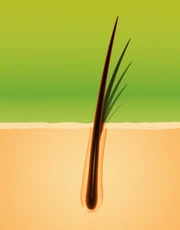
Scalp folliculitis is inflammation of the hair follicles. It shows up as small red bumps or white-headed spots around the hairs, which can itch, sting or feel sore, and often come in crops. It’s one of the most common reasons people search for help with spots on the scalp.
See your GP promptly if
- the spots are spreading quickly, very painful or swollen
- you have a fever or feel unwell
- there are boils or abscesses, or pus that keeps coming back
- you notice patches of hair loss where the spots were
Otherwise, a trichologist is a good place to start.
Itchy and flaky scalp conditions
A flaky scalp is usually one of these three, and they need different treatment, so it’s worth knowing which you have. Itchy scalp · Dry scalp · Cradle cap
Dandruff or psoriasis?
| Dandruff | Seborrhoeic dermatitis | Scalp psoriasis | |
|---|---|---|---|
| Flakes | Small, white or grey, loose | Greasy, yellowish | Thick, silvery scale |
| Skin underneath | Not usually red | Red and greasy | Raised, red, well-defined plaques |
| Where | All over the scalp | Scalp, hairline, eyebrows, sides of the nose | Scalp, often past the hairline, behind the ears; sometimes elbows and knees |
| Cause | Over-reaction to a natural scalp yeast | A stronger reaction to the same yeast | An immune condition that speeds up skin turnover |
What causes dandruff? Dandruff is the scalp over-reacting to a yeast called Malassezia that lives on everyone’s skin. It isn’t caused by poor hygiene, but washing more often with the right shampoo usually helps. Dandruff · Seborrhoeic dermatitis · Scalp psoriasis
Red, sore and other scalp problems
Scalp eczema and dermatitis
Itchy, red, sometimes weeping skin, including allergic reactions to hair dye or products.
Sore or tender scalp
Burning, tenderness or pain, sometimes with no visible change, often linked to tension, nerves or shedding.
Oily scalp
A scalp that looks greasy soon after washing, often with flat hair.
Scalp ringworm
A fungal infection, most common in children, causing scaly patches and broken hairs. It needs treatment from your GP.
Head lice
Very itchy scalp with lice or eggs (nits) close to the scalp.
Scarring conditions
Rarer conditions such as lichen planopilaris and discoid lupus cause redness and scaling with permanent hair loss, so they need early diagnosis.
Can scalp conditions cause hair loss?
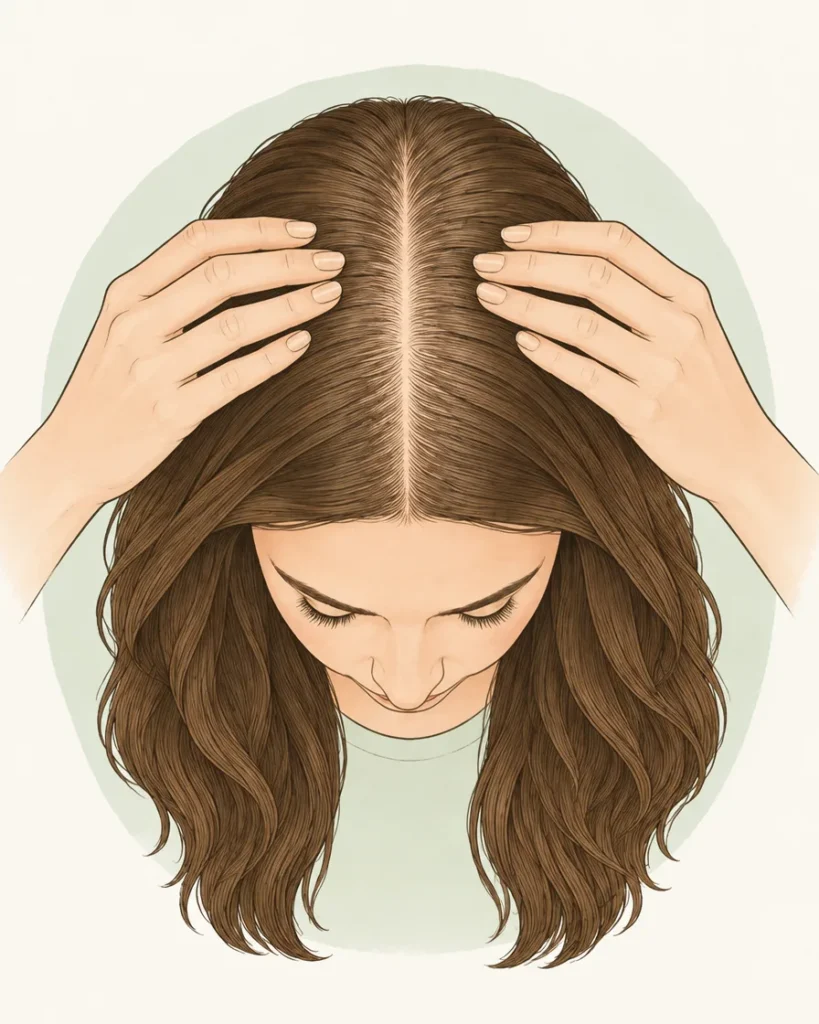
Yes, sometimes. An inflamed, itchy scalp can trigger extra shedding, and scratching can break hairs. This kind of hair loss usually recovers once the scalp is calm.
A few scalp conditions, such as deep or repeated folliculitis, lichen planopilaris and discoid lupus, can damage the follicles and cause permanent hair loss, which is why it’s important not to ignore a scalp that keeps flaring up. Types and causes of hair loss.
How I help with scalp conditions
At a consultation I take a full history, including your products, washing routine, diet, stress and health, and examine your scalp closely to find out what’s really going on.
You’ll leave with a clear explanation and a written plan made for you: the right washing routine and products, scalp treatments if they would help, and lifestyle advice to help prevent flare-ups. If you need a medical opinion or prescription treatment, I’ll liaise with your GP. What happens at a consultation.
When to see your GP first
Please see your GP or call NHS 111 if:
- your hair loss came on suddenly and you feel unwell
- your scalp is very painful, swollen, weeping or bleeding
- you have patches of hair loss with redness or scarring that are spreading quickly
- you think a new medicine may be the cause. Don’t stop it without speaking to your doctor
You can still see me as well. I’ll happily liaise with your GP if further tests are needed.
Questions about scalp conditions
If yours isn’t here, send me a message and I’ll get back to you.
What causes dandruff?
The scalp over-reacting to Malassezia, a yeast that lives on everyone’s skin. It isn’t caused by poor hygiene. What causes dandruff, and how to get rid of it.
What are the most common scalp conditions?
Dandruff, seborrhoeic dermatitis, scalp psoriasis, folliculitis, eczema and an itchy or dry scalp are the most common. Head lice and ringworm are common in children.
What causes spots on the head under the hair?
Most often scalp folliculitis. What are the red spots on my scalp?
What is the difference between dandruff and psoriasis?
Dandruff causes small, loose white flakes without much redness. Psoriasis causes thick, silvery scale on raised, red patches that often extend past the hairline.
Can scalp conditions cause hair loss?
Yes. An inflamed scalp can cause temporary shedding, and a few conditions, such as lichen planopilaris and discoid lupus, can cause permanent hair loss.
Let’s find out what’s going on
Book online at a time that suits you. If you have a question first, send me a message.