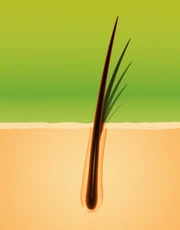

What are head lice and nits?
Head lice are small, wingless insects, about the size of a sesame seed when fully grown, grey-brown in colour. They live close to the scalp, where it’s warm, and feed on tiny amounts of blood.
Nits are the empty egg cases. Lice lay eggs glued firmly to the hair, close to the root. When the eggs hatch after about a week, the white or yellowish shells stay stuck to the hair and move further out as it grows. Unlike dandruff, they don’t brush or blow away.
As a mother, I’ve done my share of nit combing. It’s a nuisance, but it isn’t a sign that anyone has done anything wrong.
The short answer
Head lice are tiny insects that live in hair and spread by head-to-head contact. They’re very common in children and have nothing to do with hygiene. You can get rid of them with careful combing through wet, conditioned hair, or with a lotion or spray from a pharmacy. Only treat if you find a live louse.
How do head lice spread?
- Head lice can’t jump, fly or swim. They crawl from one head to another when heads touch.
- They spread most easily among children who play closely together, and to the adults who hug them.
- Clean hair is no protection: lice are just as happy in clean hair as dirty.
- Spread through hats, brushes and pillows is possible but much less common.
Tying long hair back, in a plait or bun, reduces head-to-head contact at school.
Signs of head lice
- An itchy scalp, especially behind the ears and at the back of the neck
- A feeling of something moving in the hair
- Lice or eggs found when combing
- Small red spots or a rash at the nape of the neck
Many people have no itch at all, particularly the first time, as the itch is a reaction that takes weeks to develop. Checking is the only way to be sure.
How to check for head lice
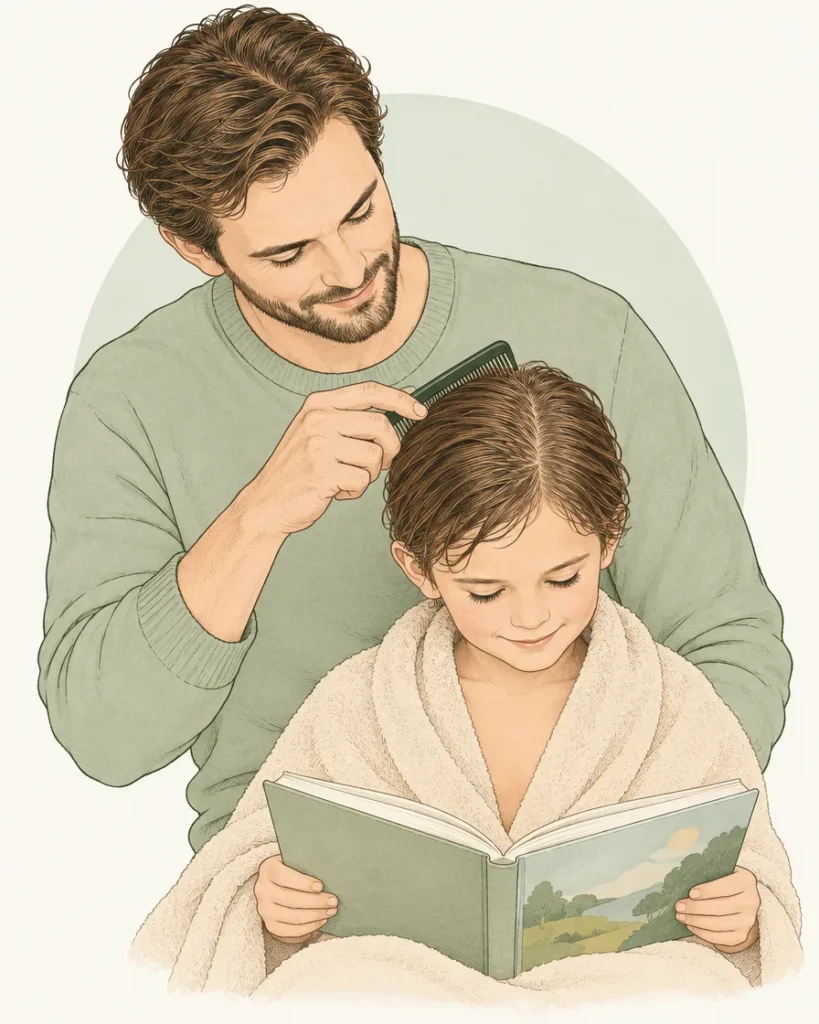
The most reliable way to find lice is detection combing, with a fine-toothed head lice comb from a pharmacy. It’s quickest on wet, conditioned hair:
- Wash the hair and put on plenty of ordinary conditioner.
- Comb out tangles with a wide-toothed comb.
- Starting at the nape of the neck, slot the lice comb in at the roots and draw it to the ends, section by section, working forwards to the front hairline.
- Wipe the comb on a white tissue after each stroke and look for lice.
- Rinse out the conditioner and repeat the combing.
Check everyone in the family, adults included, and only treat the people who have live lice.
How to get rid of head lice
There are two ways to treat head lice. Both work if you do them thoroughly, and you can use them together.
Wet combing
Comb through wet, conditioned hair with a lice comb, as above, on days 1, 5, 9 and 13, to catch lice as they hatch. Check again on day 17. It takes time but uses no chemicals.
Lotions and sprays
Pharmacy treatments, such as those containing dimeticone, kill lice. Follow the instructions and repeat after a week, as most don’t kill every egg.
Treat at the same time
Treat everyone in the household who has live lice on the same day, and tell your child’s school or friends’ parents so they can check too.
Ask a pharmacist before treating a baby under six months, if you’re pregnant or breastfeeding, or if the person has asthma, allergies or a skin condition. You don’t need to wash all bedding or keep children off school.
When head lice treatment isn’t working
If you still find live lice after treatment, the usual reasons are:
- the treatment wasn’t repeated after a week, so newly hatched lice survived
- not enough lotion was used, or it wasn’t left on long enough
- someone else in the family or class still has lice, and they’ve come back
- the lice are resistant to that treatment, so try wet combing or a different product
See your GP if the scalp becomes sore, crusty or weeping from scratching, as it may be infected (impetigo) and need antibiotics.
Do you need a trichologist?
Usually not. Most head lice can be dealt with at home, with help from a pharmacist.
It’s worth seeing me if the itching carries on after the lice have gone, if your child’s scalp is still red, flaky or sore, or if you’re finding patches of hair loss. These can be signs of something else, such as eczema, scalp ringworm or alopecia areata.
Questions about head lice
If yours isn’t here, send me a message and I’ll get back to you.
Can head lice jump?
No. Head lice can’t jump, fly or swim. They crawl from one head to another during close contact.
Are nits the same as head lice?
Not quite. Nits are the empty egg cases left on the hair after lice hatch. Finding nits doesn’t always mean there are live lice now.
How long do head lice live off the head?
Usually only a day or two, as they need blood to survive. You don’t need to deep-clean the house, but washing pillowcases and hats is sensible.
Does my child need to stay off school?
No. Children with head lice don’t need to be kept off school. Start treatment and let the school know.
Can adults get head lice?
Yes, especially parents of young children. Check the whole family when one person has them.
Can head lice cause hair loss?
Not directly. Scratching can break hairs and inflame the scalp. If you notice patches of hair loss, have it checked.
Let’s find out what’s going on
Book online at a time that suits you. If you have a question first, send me a message.