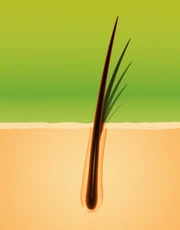

Why does my scalp hurt when I move my hair?
You take your hair down from a ponytail, change your parting or brush it the other way, and your scalp aches as if it’s bruised. Many people say their hair hurts at the roots.
Hair has no nerves, but each hair grows from a follicle surrounded by nerve endings. When you move your hair in a different direction, you tug on those follicles. If the scalp is sensitised by tension, inflammation or shedding, that small pull is felt as pain.
This scalp pain or tenderness is called trichodynia. It’s a symptom, not a diagnosis, so the aim is to find what’s behind it.
The short answer
A sore scalp is usually caused by tight hairstyles, tension headaches, heavy shedding or an inflamed scalp condition. Hair itself can’t feel pain, but the nerves around each follicle can. Most scalp pain settles with simple changes, but a few causes need a doctor quickly.
What causes a sore scalp?
There’s often more than one cause. These are the most common.
Tight hairstyles
Ponytails, buns, braids, extensions and tight hair ties keep follicles under constant pull. Letting hair down can bring a rush of tenderness. Over time this can cause traction alopecia.
Wearing your hair the same way
Hair that sits in the same direction for years can feel sore when you change your parting.
Heavy shedding
Scalp pain often comes with telogen effluvium, when lots of hairs shed at once. It usually eases as the shedding settles.
Headaches and migraine
Tension headaches and migraine can make the scalp so sensitive that brushing or wearing a hat hurts.
Scalp conditions
Folliculitis, seborrhoeic dermatitis, psoriasis and reactions to products can all make the scalp sore.
Stress and anxiety
Stress tightens the muscles of the head and neck and lowers your threshold for pain, so the scalp feels more tender.
Sunburn on the parting, a tight hat, and a scalp that’s been scratched a lot can also leave it tender for a few days.
When scalp pain needs a doctor
Most scalp tenderness isn’t serious. But please see a doctor the same day if:
- You’re over 50 and have a new headache, a tender scalp at the temples, pain in your jaw when chewing, or any change in your vision. This can be giant cell arteritis, which needs urgent treatment to protect your sight.
- You have burning or stabbing pain on one side, followed by a rash or blisters. This may be shingles, which is best treated early.
- You have a lump, a wound that won’t heal, or pain after a head injury.
- You feel unwell, with a fever or a hot, red, swollen area of the scalp.
A scalp that is sore, red and losing hair in one area also needs checking early, as a few rare conditions damage the follicles. Scarring alopecia.
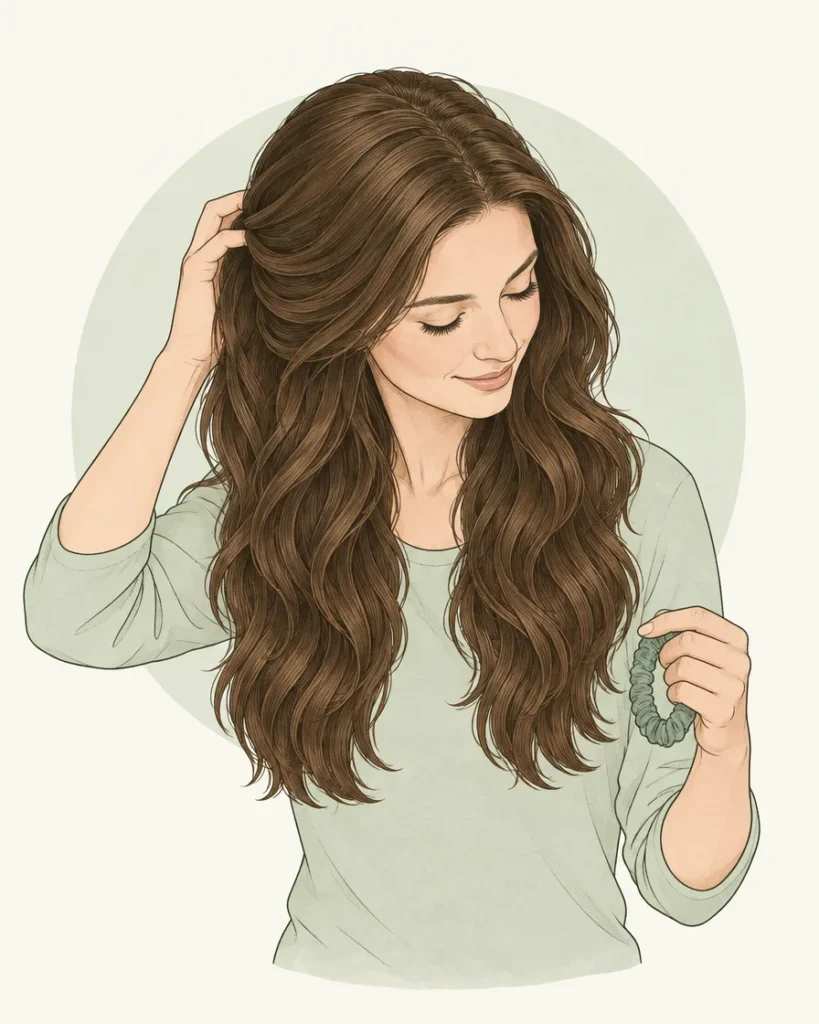
How to soothe a sore scalp
If your scalp is tender but otherwise healthy, these steps usually help within a few weeks:
- Wear your hair down or loosely tied as often as you can, and use soft fabric ties instead of tight elastics.
- Change your parting and the position of ponytails and buns regularly.
- Detangle gently with a wide-toothed comb, starting at the ends, and use conditioner every time you wash.
- Give your scalp a break from heavy extensions, wigs and tight braids.
- Massage your scalp gently with your fingertips, not your nails, while you shampoo. It feels soothing and helps you relax.
- If headaches or stress are part of the picture, look after those too, with your GP if needed.
How I can help
At a consultation in Forest Row I examine your scalp closely for inflammation, scale, shedding and signs of traction, and ask about your styling, products, headaches, stress and health. Scalp pain with no visible cause is real, and I take it seriously.
You leave with an explanation of what’s causing the pain and a written plan to ease it. If anything needs a doctor, I’ll write to your GP. What happens at a consultation.
When to see your GP first
Please see your GP or call NHS 111 if:
- your hair loss came on suddenly and you feel unwell
- your scalp is very painful, swollen, weeping or bleeding
- you have patches of hair loss with redness or scarring that are spreading quickly
- you think a new medicine may be the cause. Don’t stop it without speaking to your doctor
You can still see me as well. I’ll happily liaise with your GP if further tests are needed.
Questions about a sore scalp
If yours isn’t here, send me a message and I’ll get back to you.
Why does my hair hurt when I move it in another direction?
Moving your hair tugs on the follicles, which are surrounded by nerves. If your scalp is sensitised by tight styles, shedding, tension or inflammation, that pull feels sore. Changing your parting often helps.
Why do my hair roots hurt?
Hair roots usually hurt because the scalp around them is tender, from tight styles, heavy shedding, headaches or an inflamed scalp. The hair itself can’t feel pain.
Is scalp pain a sign of hair loss?
It can go with it. Scalp tenderness is common during heavy shedding and in some scarring conditions. If you’re losing more hair than usual, get it checked.
What is trichodynia?
Trichodynia is the medical name for pain, tenderness or burning in the scalp. It’s a symptom with many possible causes rather than a condition in itself.
Can stress make your scalp hurt?
Yes. Stress tightens the muscles around the head and lowers your threshold for pain, so the scalp can feel tender or burning.
Why does my scalp hurt after taking my ponytail down?
The follicles have been held under tension for hours. Releasing them can bring on a sore, bruised feeling. Looser styles and soft ties help.
Let’s find out what’s going on
Book online at a time that suits you. If you have a question first, send me a message.