Why does cancer treatment cause hair loss?
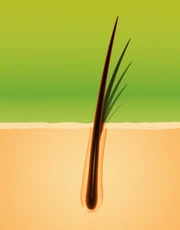
Chemotherapy targets cells that divide quickly, like cancer cells. Hair follicles are among the fastest-growing cells in the body, so they are affected too. Whether you lose hair, and how much, depends on the medicines, the dose and how your body responds.
Losing your hair can feel like the most visible sign of being ill, at a time when so much else is out of your control. Your feelings about it are completely valid, and there is a lot that can help.
The short answer
Many chemotherapy medicines cause hair loss, usually starting two to three weeks after treatment begins. Not all do, and your cancer team can tell you what to expect. For most people, hair starts to grow back a few weeks after chemotherapy ends, and is usually fully back within a year. Scalp cooling (a cold cap) can reduce hair loss with some treatments.
Which cancer treatments cause hair loss?
Not every treatment causes hair loss. Your oncologist or nurse is the best person to tell you about your own treatment.
Chemotherapy
Hair loss usually starts two to three weeks in. It can be thinning or complete loss, and can include eyebrows, eyelashes and body hair.
Radiotherapy
Only causes hair loss in the area being treated. If the head is treated, hair may grow back thinner, or not at all at higher doses.
Hormone therapy
Some hormone treatments, such as those for breast cancer, can cause gradual thinning that may last as long as the treatment.
Targeted and other treatments
Some newer cancer medicines can change hair texture or cause thinning. Ask your team what to expect.
Can a cold cap stop hair loss during chemo?
Scalp cooling, often called a cold cap, cools the scalp during chemotherapy. This reduces blood flow to the follicles, so less of the medicine reaches them. It can reduce hair loss, and some people keep most of their hair.
It only works with certain chemotherapy medicines, it isn’t suitable for every type of cancer, and it isn’t offered at every hospital. It also adds time to each session and can feel very cold. Ask your cancer team whether it’s right for you.
If you use a cold cap, treat your hair very gently during treatment: it’s fragile, and pulling or heat can undo the benefit.
Looking after your hair and scalp during treatment
- Use a mild, fragrance-free shampoo and lukewarm water, and pat hair dry.
- Use a soft brush or wide-toothed comb, and avoid heated styling, colour and perms unless your team says otherwise.
- Many people cut their hair short before it falls. It can make the change feel less sudden and more in your control.
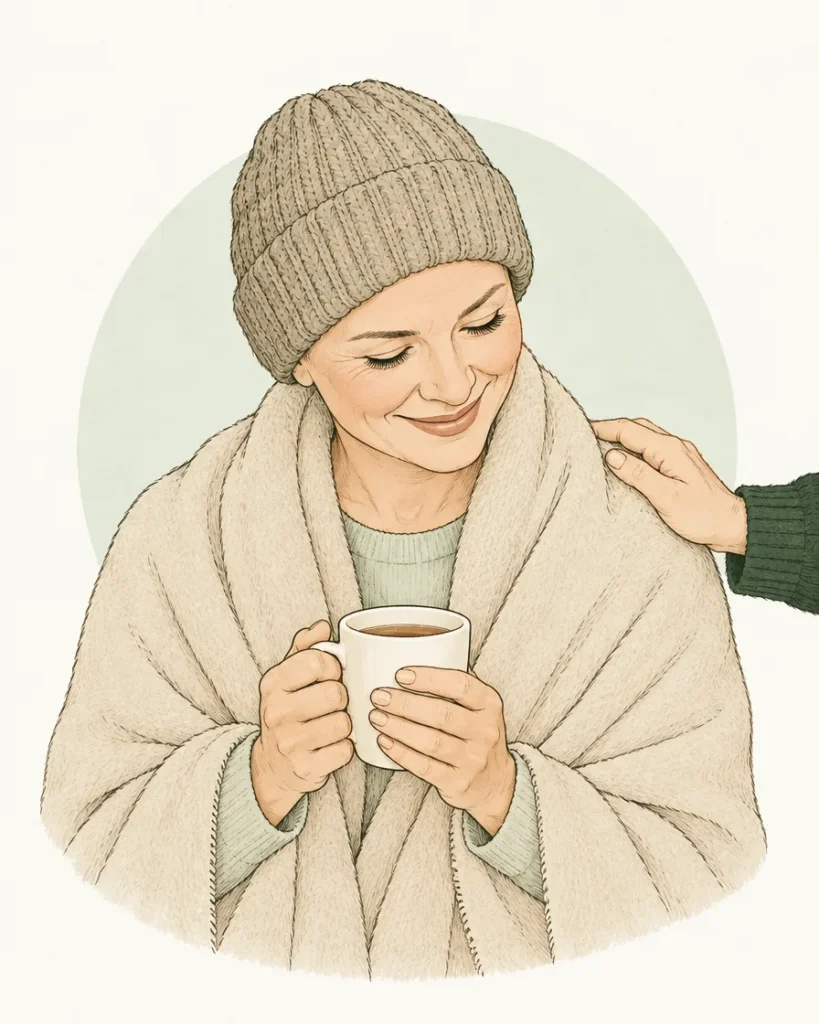
- Protect your scalp from sun and cold with a hat or scarf; a soft cotton or silk lining is gentle on a tender scalp.
- Wigs, toppers and headwear can help you feel like yourself. In England, people having cancer treatment can usually get an NHS wig free of charge; ask your team.
Does hair grow back after chemo?
Yes, for most people. Fine, soft hair often appears within a few weeks of finishing chemotherapy, with more noticeable growth after three to six months. It’s usually back to its full thickness within a year.
- New hair may be a different colour or texture at first, often curlier. This usually settles over time.
- Eyebrows and eyelashes usually grow back too, sometimes before scalp hair.
- Occasionally, especially after certain medicines, hair stays thinner than before. This is called persistent chemotherapy-induced alopecia.
When regrowth isn’t as expected
It’s worth having your hair and scalp looked at if:
- your hair hasn’t started to grow back six months after chemotherapy ended
- it’s growing back patchy or much thinner than before
- you’re having hormone therapy and your hair is thinning
- your scalp is sore, itchy or flaky
Iron, thyroid and other common causes of thinning can also play a part after cancer treatment, and are worth checking with your GP.
How I can help
I see people before, during and after cancer treatment. At a consultation in Forest Row I listen to what you’re going through, look at your hair and scalp closely, and help you plan for each stage, from caring for fragile hair to supporting regrowth afterwards.
I work alongside your cancer team and GP, and I’ll always check that anything I suggest fits with your treatment. What happens at a consultation.
When to see your GP first
Please see your GP or call NHS 111 if:
- your hair loss came on suddenly and you feel unwell
- your scalp is very painful, swollen, weeping or bleeding
- you have patches of hair loss with redness or scarring that are spreading quickly
- you think a new medicine may be the cause. Don’t stop it without speaking to your doctor
You can still see me as well. I’ll happily liaise with your GP if further tests are needed.
Questions about hair loss and cancer treatment
If yours isn’t here, send me a message and I’ll get back to you.
When does hair start falling out after chemo?
Usually two to three weeks after the first treatment, though it depends on the medicines.
How long after chemo does hair grow back?
Soft new hair often appears within a few weeks of the last session, with good growth after three to six months. Most people’s hair is back within a year.
Does a cold cap work?
It can reduce hair loss with some chemotherapy medicines. Ask your cancer team whether it suits your treatment.
Why is my hair growing back curly after chemo?
Chemotherapy can change how the follicle shapes the hair for a while. Most people find their hair slowly returns to its old texture.
Can I colour my hair after chemo?
Wait until your scalp is healthy and the new hair is a few inches long, usually around six months, and do a skin test first.
Let’s find out what’s going on
Book online at a time that suits you. If you have a question first, send me a message.