What are alopecia totalis and universalis?
Alopecia areata usually causes round patches of hair loss. In a small number of people, the patches spread until all the scalp hair is lost (alopecia totalis), or all the hair on the body (alopecia universalis). It can happen over weeks or over years.
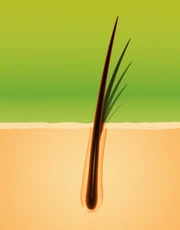
In both, the immune system targets the hair follicles and pushes them into a resting state. They aren’t scarred, which is why regrowth remains possible, even after a long time.
Losing all your hair is a profound change, and the emotional impact is often underestimated. Support matters as much as treatment.
The short answer
Alopecia totalis is the loss of all the hair on the scalp. Alopecia universalis is the loss of all hair on the scalp, face and body, including eyebrows and eyelashes. Both are severe forms of alopecia areata, an autoimmune condition. The follicles aren’t destroyed, so hair can regrow, and newer treatments now offer real hope for some people.
Alopecia totalis vs universalis: what’s the difference?
Both are forms of alopecia areata. The difference is how much of the body is affected.
| Alopecia totalis | Alopecia universalis | |
|---|---|---|
| Hair lost | All scalp hair | All scalp, face and body hair |
| Eyebrows and eyelashes | Often affected, but not always | Lost |
| Body hair | Usually kept | Lost |
| Nails | Pits or ridges are common | Pits or ridges are common |
| Chance of regrowth | Possible, but less likely than with patchy alopecia areata | Possible, but less likely than with alopecia totalis |
Some people move between the two, or regrow some hair and then lose it again.

Can hair grow back?
It can. The follicles stay alive, so regrowth can happen, sometimes after years. But it’s less likely than with patchy alopecia areata, especially if the loss started in childhood or has lasted a long time.
The cause is the same as alopecia areata: an autoimmune reaction in people who are genetically prone to it. It’s more common in people with other autoimmune conditions, eczema or asthma, or a family history. It isn’t caused by anything you did, and you can’t catch it.
Is there a cure for alopecia universalis?
There’s no cure yet, but treatment has changed. Tablets called JAK inhibitors can bring back hair in some people with severe alopecia areata, including totalis and universalis. Hair may be lost again if treatment stops.
Treatment and living with alopecia totalis and universalis
Treatment can bring hair back for some people, and good support makes a difference for everyone.
JAK inhibitor tablets
For severe alopecia areata in people aged 12 and over, the NHS can offer a tablet called ritlecitinib, through a dermatologist.
Other specialist treatments
A dermatologist may suggest contact immunotherapy or other medicines. Results vary, and not everyone responds.
Wigs and hairpieces
Modern wigs look very natural. Some NHS wigs are available on prescription, and many charities and specialists can help you choose.
Eyebrows and eyelashes
Brow pencils, microblading or tattooing, and false lashes can restore your features and confidence.
Protecting your skin
Without hair, the scalp burns easily and feels the cold. Hats and sun protection matter all year round.
Emotional support
Losing all your hair can affect confidence, relationships and work. Support groups, counselling and your GP can all help.
How I can help
At a consultation in Forest Row I take a full history, examine your scalp, and explain what’s happening and what your options are, at your pace.
I can help you understand treatments such as JAK inhibitors and write to your GP or dermatologist, look after your scalp and any regrowth, and talk through wigs and camouflage. What happens at a consultation.
When to see your GP first
Please see your GP or call NHS 111 if:
- your hair loss came on suddenly and you feel unwell
- your scalp is very painful, swollen, weeping or bleeding
- you have patches of hair loss with redness or scarring that are spreading quickly
- you think a new medicine may be the cause. Don’t stop it without speaking to your doctor
You can still see me as well. I’ll happily liaise with your GP if further tests are needed.
Questions about alopecia totalis and universalis
If yours isn’t here, send me a message and I’ll get back to you.
What is the difference between alopecia totalis and universalis?
Alopecia totalis is the loss of all scalp hair. Alopecia universalis is the loss of all hair on the scalp, face and body.
Is alopecia universalis permanent?
Not necessarily. The follicles aren’t destroyed, so hair can regrow, though it’s less likely the longer the loss has lasted. Newer treatments help some people.
Is alopecia totalis the same as alopecia areata?
It’s a severe form of alopecia areata, where the patches have joined up to cover the whole scalp.
Can children get alopecia universalis?
Yes, though it’s rare. Children with alopecia areata should be seen by a GP, and those with extensive loss by a dermatologist.
Do eyebrows grow back with alopecia universalis?
They can if the condition goes into remission or responds to treatment. Why eyebrows fall out.
Let’s find out what’s going on
Book online at a time that suits you. If you have a question first, send me a message.