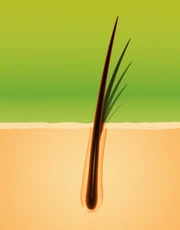

What is a dry scalp?
A dry scalp is skin on your head that has lost too much moisture. The protective outer layer of the skin is weakened, so it sheds small flakes, feels tight and itches.
It’s much less common than people think. When someone tells me they have a dry scalp, it often turns out to be dandruff or seborrhoeic dermatitis, which are oily conditions. Treating those with oils and rich moisturisers feeds the problem, so it’s worth knowing which you have before you start.
The short answer
A truly dry scalp sheds small, fine, powdery flakes and feels tight, often in winter or after harsh shampoos and hot water. It’s helped by gentler washing and moisture. But many “dry scalps” are actually dandruff or seborrhoeic dermatitis, where the flakes are oily and moisturising makes things worse.
Dry scalp or dandruff?
The two feel similar, and both itch. These are the differences to look for.
Dry scalp
- Small, fine, white flakes, like dust
- Scalp feels tight, especially after washing
- Hair is often dry too, and so is skin elsewhere
- Worse in cold weather and with central heating
- Gets better with a gentler routine
Dandruff
- Larger flakes that are slightly oily or yellowish
- Scalp may look oily, and itches more between washes
- Hair is often normal or oily
- Comes and goes, often worse in winter or with stress
- Gets better with an anti-dandruff shampoo
Thick, raised, silvery patches point to scalp psoriasis, where skin cells are made much faster than normal. Redness, burning or weeping after a product points to scalp eczema or contact dermatitis.
What causes a dry scalp?
A dry scalp is usually caused by things around you and what you put on your hair, rather than by anything wrong with your health.
Cold weather and central heating
Cold, dry air outside and warm, dry air inside draw moisture out of the skin.
Harsh shampoos
Strong detergents, and washing more than your scalp needs, strip away its natural oils.
Hot water and heat styling
Very hot showers, hairdryers held close and heated tools all dry the scalp.
Sun and swimming
Sunburn and chlorinated pool water can both leave the scalp dry and peeling.
Age and hormones
Skin produces less oil with age, and many women find their scalp gets drier around the menopause.
Dry skin conditions
People with eczema or generally dry skin often have a drier scalp too.
How to get rid of a dry scalp
The best dry scalp treatment is a gentler routine. A truly dry scalp usually improves within a few weeks:
- Switch to a mild, fragrance-free shampoo, and wash as often as you need to, but no more.
- Use lukewarm water, and finish with a cooler rinse.
- Use a conditioner, and let a little reach the scalp if it feels tight.
- Keep the hairdryer on a cooler setting and away from your scalp.
- Wear a hat in strong sun and rinse after swimming.
- A light oil or scalp moisturiser before washing can help a genuinely dry scalp. Stop if flakes get worse.
If your scalp isn’t better after a month of gentler care, it probably isn’t a dry scalp. An anti-dandruff shampoo may help instead.
Dry scalp and Afro-textured hair
Afro-textured hair and scalps tend to be drier, and many people wash less often and use oils regularly. That suits the hair, but oils and heavy butters left on the scalp can build up and lead to flaking, itching or seborrhoeic dermatitis.
Apply oils to the lengths rather than the scalp, cleanse the scalp thoroughly when you wash, and if you have flakes, ask yourself whether they’re dry or greasy. Traction alopecia and Afro hair care.
When to get help
See a trichologist or your GP if:
- flaking hasn’t improved after a month of gentler care and an anti-dandruff shampoo
- your scalp is red, sore, weeping or bleeding
- you have thick patches of scale, or flaking on your face, ears or eyebrows
- you’re losing hair
- itching is affecting your sleep
How I can help
At a consultation in Forest Row I examine your scalp closely to find out whether it’s really dry, or whether it’s dandruff, seborrhoeic dermatitis, psoriasis or a reaction to a product. I go through your washing routine, products and health.
You leave with a written plan: what to wash with, how often and what to stop using. If you need a prescription treatment, I’ll write to your GP. What happens at a consultation.
When to see your GP first
Please see your GP or call NHS 111 if:
- your hair loss came on suddenly and you feel unwell
- your scalp is very painful, swollen, weeping or bleeding
- you have patches of hair loss with redness or scarring that are spreading quickly
- you think a new medicine may be the cause. Don’t stop it without speaking to your doctor
You can still see me as well. I’ll happily liaise with your GP if further tests are needed.
Questions about a dry scalp
If yours isn’t here, send me a message and I’ll get back to you.
Is a dry scalp the same as dandruff?
No. A dry scalp lacks moisture and sheds fine, dry flakes. Dandruff is the scalp reacting to a natural yeast, with larger, slightly oily flakes. They need opposite treatments.
Should I put oil on a dry scalp?
A light oil before washing can help a genuinely dry scalp. If your flakes are oily or yellowish, it’s probably dandruff or seborrhoeic dermatitis, and oil can make it worse.
Can a dry scalp cause hair loss?
Not directly. Scratching can break hairs, but a dry scalp doesn’t damage the follicles. If you’re losing hair as well, there’s probably another cause to look for.
How often should I wash a dry scalp?
As often as you need to keep it clean and comfortable, with a mild shampoo. Washing less doesn’t cure a dry scalp, and it lets flakes build up. How often to wash your hair.
Why is my scalp dry but my hair greasy?
This often means it isn’t a dry scalp at all. Oily hair with flakes is more typical of dandruff or seborrhoeic dermatitis.
Can drinking more water help a dry scalp?
Being well hydrated is good for you, but drinking extra water won’t fix a dry scalp. Your washing routine and products make much more difference.
Let’s find out what’s going on
Book online at a time that suits you. If you have a question first, send me a message.