
What is ringworm in children?
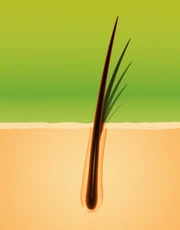
Ringworm is an infection caused by fungi that live on skin, hair and nails. Despite the name, there’s no worm: the name comes from the ring-shaped rash it often makes. It’s very common in children, who share toys, hats and hugs, and play with pets.
It can appear almost anywhere. On the body it’s usually easy to treat. On the scalp, where it’s called scalp ringworm or tinea capitis, it gets into the hair itself, causes patches of hair loss and needs a different treatment. It’s most common in children aged 3 to 7.
As a mother, I know how alarming a rash or a bald patch on your child can be. The good news is that ringworm is treatable, and the hair almost always grows back.
The short answer
Ringworm is a common fungal infection, not a worm. On a child’s body it causes an itchy, ring-shaped rash, which a pharmacy antifungal cream usually clears. On the scalp it causes scaly patches and hair loss, and it always needs antifungal medicine from a GP, because creams can’t reach the infection in the hair.
Ringworm symptoms in kids
What ringworm looks like depends on where it is. On white skin the rash is usually pink or red; on brown and black skin it can look darker, grey or silvery, and be harder to spot.
Ringworm on the body
- A round or oval rash with a raised, scaly edge and clearer skin in the middle
- Itching
- Rings that slowly grow outwards, sometimes several at once
- Often on the face, arms, legs or trunk
Ringworm on the scalp
- Scaly, flaky patches, which can look like dandruff
- Patches of hair loss, often round
- Hairs broken off at the scalp, leaving black dots
- Itching, and sometimes swollen glands in the neck
- A painful, swollen, pus-filled lump called a kerion
What does ringworm look like on a toddler? Usually the same: a scaly ring on the skin, or a flaky patch with broken hairs on the head. In toddlers, scalp ringworm is often mistaken for cradle cap or dandruff. A flaky scalp in a child over a year old is more often ringworm than dandruff.
How do kids get ringworm?
Ringworm spreads easily, by touch. Children usually catch it from:
- Other children, through close play and hugs
- Pets, especially kittens, cats, dogs, guinea pigs and rabbits
- Sharing hairbrushes, combs, hats, towels, pillows and bedding
- Changing rooms, swimming pools and soft play, where it spreads to feet and skin
- Farm animals and, rarely, soil
The fungi thrive in warm, damp skin, so sweat and tight clothing help it take hold. Ringworm isn’t a sign of poor hygiene.
Is ringworm contagious?
Yes. Ringworm spreads by direct contact with an infected person or animal, and through shared items. It stops being easily spread once treatment has started.
- Check the rest of the family, and any pets, for patches
- Don’t share towels, combs, brushes or hats
- Wash bedding and towels on a hot wash
- Ask your vet to check any pet with patches of hair loss
Children don’t need to stay off school or nursery once treatment has begun.
How to treat ringworm in kids
Ringworm on the body
A pharmacist can recommend an antifungal cream, spray or gel suitable for your child’s age. It usually needs using every day for two to four weeks, and for a week or two after the rash has gone, so it doesn’t come back. See a GP if it isn’t better after two weeks, is spreading, or your child is under one.
Ringworm on the scalp
Scalp ringworm needs a GP. Creams and shampoos alone can’t reach the fungus inside the hairs, so the GP will prescribe antifungal tablets or a liquid medicine, usually for several weeks. An antifungal shampoo is often used as well, to stop it spreading to others.
See a GP urgently if your child has a painful, swollen, pus-filled lump on the scalp (a kerion), or seems unwell. Early treatment helps prevent scarring.
Ringworm in babies and toddlers
Babies and toddlers can get ringworm too, often from a pet or an older brother or sister. Always speak to a GP or pharmacist before treating a baby, as not every cream is suitable for young children.
Other things can look like ringworm in babies, including eczema and cradle cap, so it’s worth having a rash or flaky scalp checked rather than guessing.
Does hair grow back after scalp ringworm?
Yes, almost always. Once scalp ringworm has been treated, the hair usually grows back over a few months. Hair grows about a centimetre a month, so patches can take a while to fill in.
A severe infection with a kerion can occasionally leave a small area of scarring where hair doesn’t regrow, which is why early treatment matters.
How I can help
Ringworm itself is treated by your GP or pharmacist. I see children whose scalp is still flaky or sore after treatment, whose hair hasn’t grown back as expected, or where it isn’t clear whether a patch is ringworm, alopecia areata or something else.
At a consultation in Forest Row I examine your child’s scalp gently, at a pace that suits them, and explain what I see. If anything needs medical treatment, I’ll write to your GP. What happens at a consultation.
When to see your GP first
Please see your GP or call NHS 111 if:
- your hair loss came on suddenly and you feel unwell
- your scalp is very painful, swollen, weeping or bleeding
- you have patches of hair loss with redness or scarring that are spreading quickly
- you think a new medicine may be the cause. Don’t stop it without speaking to your doctor
You can still see me as well. I’ll happily liaise with your GP if further tests are needed.
Questions about ringworm in children
If yours isn’t here, send me a message and I’ll get back to you.
Is ringworm contagious?
Yes. It spreads through touch with an infected person or animal, and through shared towels, combs, hats and bedding. It becomes much less contagious once treatment starts.
Does my child need to stay off school with ringworm?
No. Children can go to school or nursery once treatment has started. Covering a patch on the body helps.
How long does ringworm last in kids?
Ringworm on the body usually clears within two to four weeks of treatment. Scalp ringworm needs several weeks of medicine, and the hair takes a few months to grow back.
Is ringworm caused by a worm?
No. It’s caused by fungi. The name comes from the ring-shaped rash.
Can my child catch ringworm from our cat or dog?
Yes. Pets, especially kittens and puppies, are a common source. If your pet has patches of fur loss, ask your vet to check and treat them too, or it can keep coming back.
Can I treat scalp ringworm with a cream?
No. Creams and shampoos can’t clear ringworm on the scalp, because the fungus is inside the hair. It needs antifungal medicine by mouth from a GP.
Is it ringworm or eczema?
Both can cause itchy, scaly patches. Ringworm often has a clearer ring with a raised edge and spreads outwards. If you’re not sure, ask a pharmacist or GP before using a steroid cream, which can make ringworm worse.
Let’s find out what’s going on
Book online at a time that suits you. If you have a question first, send me a message.