
The short answer
Yes. Low iron is one of the most common causes of hair shedding, especially in women. When your iron stores, measured as ferritin, run low, more hairs move into the resting stage and fall out. A blood test through your GP shows whether this is the cause, and once your iron is put right, the hair usually grows back.
How does low iron cause hair loss?
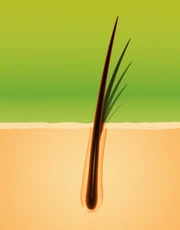
Hair follicles are among the busiest cells in your body, and they need iron to grow hair. When stores are low, your body saves iron for essential jobs, and hair growth is cut back. The result is telogen effluvium: shedding from all over the head, rather than bald patches.
You can have low iron stores without being anaemic. Anaemia means your red blood cells are affected too; low ferritin alone can be enough to cause shedding.
Signs your hair loss could be low iron
- More hair than usual in the shower, on your brush and pillow, from all over the scalp
- Tiredness, breathlessness or looking pale
- Brittle nails, or cravings to chew ice
- Heavy periods, a recent pregnancy, or a vegetarian or vegan diet
- Regular blood donation, coeliac disease or another gut condition
Men and women past the menopause who are low in iron should always see their GP, as the cause needs looking into rather than just treating.
What ferritin level is good for hair?
Laboratories give a normal range for ferritin, and the GP will treat you if you’re below it. Some people shed hair with a result that is in the normal range but lower than ideal for hair, which is why I look at your results alongside your hair and history, not on their own. Blood tests for hair loss.
Should I take iron supplements for hair loss?
Not without a blood test. Taking iron you don’t need won’t help your hair, and too much iron is harmful. If your levels are low, your GP will advise you. Children should never be given iron without medical advice.
Does hair grow back after iron deficiency?
Usually, yes. Shedding tends to slow two to three months after your iron improves, and new growth shows within three to six months. Hair grows about a centimetre a month, so length takes longer. Keeping your levels up stops it coming back.
If your iron is fine and you’re still losing hair, there may be another cause, such as female pattern hair loss or a thyroid problem. Hair loss in women.
If something isn’t right with your hair or scalp, I’ll take your history, examine your hair and scalp closely and give you a written plan. What happens at a consultation.
Questions
Can low ferritin cause hair loss without anaemia?
Yes. Low iron stores can cause shedding before your red blood cells are affected, so a normal blood count doesn’t rule it out. Ask for ferritin to be checked too.
How long after starting iron does hair stop falling out?
Usually two to three months after your levels start to improve. Visible regrowth takes three to six months.
Is iron deficiency hair loss permanent?
No. It doesn’t damage the follicles, so hair grows back once your iron is put right and kept right.
Is iron deficiency hair loss common in women?
Yes. Periods, pregnancy and diet make low iron much more common in women, and it’s one of the first things I look for in women who are shedding.