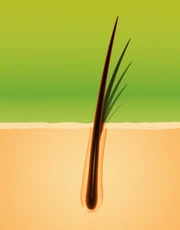

What is trichotillomania?
Trichotillomania, or hair pulling disorder, is one of a group of conditions called body-focused repetitive behaviours, alongside skin picking and nail biting. People with it feel an urge to pull, often with a sense of relief afterwards, and find it very hard to stop.
It’s more common than most people think, and many hide it for years. Pulling can be automatic, while reading, watching TV or driving, or focused, when you deliberately seek out hairs that feel coarse or out of place.
People with trichotillomania often feel ashamed. There’s no judgement here: it’s a condition, and it can be helped.
The short answer
Trichotillomania is a strong, repeated urge to pull out your own hair, from the scalp, eyebrows, eyelashes or elsewhere. It’s a recognised condition, not a bad habit or a lack of willpower. Talking therapy, especially habit reversal training, is the main treatment, and hair usually grows back once pulling stops.
Signs of trichotillomania
- Patches of thinning or hair loss, often on the crown or one side
- Broken hairs of different lengths in the same area
- Gaps in the eyebrows or eyelashes
- Patches that move or change shape over time
- A healthy-looking scalp, without redness or scale
- Playing with, twisting or examining hairs before pulling them
Is it trichotillomania or something else?
Patchy hair loss can have other causes, and they need different help:
- Alopecia areata: smooth, round patches, often with short, tapering hairs at the edge
- Scalp ringworm: scaly patches with broken hairs, usually in children
- Traction alopecia: thinning from tight hairstyles, along the hairline and temples
Some people chew or swallow the hair they pull. If you or your child does this, please tell your GP, as swallowed hair can build up in the stomach.
Why does trichotillomania happen?
The exact cause isn’t known. It usually starts around the early teens, though young children and adults can develop it too. These are the things most often linked with it:
Stress and anxiety
Pulling often increases at stressful times, and can become a way of soothing difficult feelings.
Boredom and focus
Many people pull while reading, studying, working at a screen or lying in bed, often without noticing.
Sensory relief
The feel of a coarse or kinked hair, or the moment of pulling, can be satisfying, which makes it hard to resist.
Family and other conditions
It can run in families, and is more common alongside anxiety, OCD and ADHD.
Does hair grow back after trichotillomania?
Usually, yes. Pulling a hair out doesn’t normally destroy the follicle, so once pulling stops, the hair grows back. New hairs take a few weeks to appear, and hair grows about a centimetre a month, so patches take months to fill in.
- Regrowth can look different at first: finer, curlier or a slightly different colour, before settling.
- Regrowth can trigger pulling, because short, coarse new hairs feel tempting. Knowing this helps you plan for it.
- Years of pulling in the same place can damage some follicles, so a few areas may stay thinner.
Looking after the scalp and the new hairs, and being patient while they grow, matters as much as the pulling itself.
Trichotillomania treatment
There’s no quick fix, but many people reduce or stop pulling with the right support. Treatment works best when it combines help with the pulling itself and care for the hair as it grows back.
Habit reversal training
The best-evidenced treatment. You learn to notice when and where you pull, and to replace it with a competing action. Your GP can refer you.
Cognitive behavioural therapy
CBT helps with the thoughts and feelings behind pulling, and with anxiety or low mood that often comes with it.
Knowing your triggers
Keeping a note of when, where and how you pull often shows patterns you can change, such as screen time or a particular chair.
Barriers and fidget tools
Gloves, plasters on the fingertips, a hat or a fidget toy can interrupt automatic pulling while you learn other habits.
Support from others
Support groups, online communities and people close to you can make a real difference, and help you feel less alone.
Care for the hair and scalp
A gentle routine protects new growth. I look at your scalp, explain what’s happening and help you through the regrowth stage.
Trichotillomania in children
In young children, hair pulling or twisting often starts as a self-soothing habit, at bedtime or when tired, and many grow out of it. In older children and teenagers it’s more likely to be trichotillomania that needs support.
- Stay calm and avoid telling them off: shame tends to make pulling worse
- Notice when it happens, and offer something else for their hands
- Speak to your GP, who can refer you for help suited to their age
- Have new patches checked, as ringworm and alopecia areata are common in children
How I can help
At a consultation in Forest Row I look closely at your hair and scalp to confirm what’s happening and rule out other causes, and we talk at your pace. There’s no judgement, and you don’t need to explain more than you want to.
I can support you through regrowth, help you look after your hair and scalp, and work alongside your GP or therapist. I see children and teenagers with a parent. What happens at a consultation.
Questions about trichotillomania
If yours isn’t here, send me a message and I’ll get back to you.
Is trichotillomania a mental health condition?
It’s classed as a body-focused repetitive behaviour, related to OCD. It isn’t a sign of weakness, and it responds to the right support.
Can you grow out of trichotillomania?
Young children often do. In teenagers and adults it can come and go for years, but many people reduce or stop pulling with treatment.
How long does hair take to grow back after pulling?
New hairs usually appear within a few weeks of stopping, and patches fill in over several months as hair grows about a centimetre a month.
Can trichotillomania cause permanent hair loss?
Usually not, but years of pulling from the same area can damage some follicles so they grow back thinner, or not at all.
Is it trichotillomania or traction alopecia?
Trichotillomania is pulling hair out by hand; traction alopecia is caused by tension from tight hairstyles. They look different and need different help.
Let’s find out what’s going on
Book online at a time that suits you. If you have a question first, send me a message.