
What is frontal fibrosing alopecia?
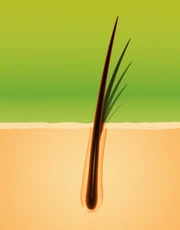
FFA is a form of lichen planopilaris, an inflammatory condition that targets hair follicles. Over months and years, a band of hair along the front and sides of the hairline is lost, leaving smooth, pale skin that often looks a little shinier than the forehead.
It was rare until a few decades ago and is now seen much more often. Most people with it are women past the menopause, but younger women and men can be affected too.
Because it scars, time matters. The aim of treatment is to protect the hair you still have.
The short answer
Frontal fibrosing alopecia (FFA) is a scarring condition that makes the front hairline slowly recede, often with loss of the eyebrows. It mostly affects women after the menopause. The immune system inflames the follicles and replaces them with scar tissue, so lost hair doesn’t grow back. Early diagnosis by a dermatologist and treatment can slow or stop it.
Signs of frontal fibrosing alopecia
- A hairline that is slowly moving back, at the front and the temples
- Thinning or loss of the eyebrows, often the first sign
- Redness or fine scale around the hairs at the edge of the hairline
- Single “lonely” hairs left standing in the bare skin
- Itching, burning or tenderness along the hairline
- Loss of sideburns, eyelashes or body hair, and small skin-coloured bumps on the face
Receding hairline in women: what else could it be?
A hairline moving back isn’t always FFA. The other common causes are:
- Traction alopecia, from tight hairstyles, often with a fringe of short hairs at the front
- Female pattern hair loss, which thins the top but usually keeps the front hairline
- Alopecia areata, in a band around the sides and back (ophiasis)
Eyebrow loss with a receding hairline points strongly to FFA. Why eyebrows fall out.
What causes frontal fibrosing alopecia?
The cause isn’t known. It’s thought to be an immune reaction against the hair follicles, in people who are genetically prone to it. Hormones seem to play a part, as it’s far more common after the menopause.
Researchers are looking at whether leave-on facial products, including some sunscreens and moisturisers, might be linked. This hasn’t been proven, and you shouldn’t stop using sun protection because of it. Talk to your dermatologist if you’re unsure.
FFA isn’t caused by anything you did, it isn’t catching, and it isn’t caused by hair dye or washing.
Frontal fibrosing alopecia treatment
FFA should be diagnosed by a dermatologist, who will look closely at the hairline and often take a small skin sample (biopsy) to confirm it. Ask your GP for a referral as soon as you suspect it.
- The aim is to stop it progressing. Hair already lost to scarring doesn’t regrow, so treatment protects what’s left.
- Calming the inflammation. Dermatologists use steroid creams or injections, and tablets that dampen inflammation.
- Some hormone-related tablets are also used, particularly after the menopause.
- Checking progress. Treatment is judged over months, by whether the hairline stops moving.
A softer fringe, eyebrow pencils, tinting or microblading, and hair toppers can make a real difference to how the hairline looks while it’s treated.
How I can help
Many people with early FFA are told their hairline is just ageing. At a consultation in Forest Row I examine your hairline, eyebrows and scalp closely, look for the early signs and rule out traction and pattern hair loss.
If I suspect FFA, I’ll write to your GP to ask for a dermatology referral, and I can support you alongside your dermatologist with scalp care and ways to make the most of your hair. What happens at a consultation.
When to see your GP first
Please see your GP or call NHS 111 if:
- your hair loss came on suddenly and you feel unwell
- your scalp is very painful, swollen, weeping or bleeding
- you have patches of hair loss with redness or scarring that are spreading quickly
- you think a new medicine may be the cause. Don’t stop it without speaking to your doctor
You can still see me as well. I’ll happily liaise with your GP if further tests are needed.
Questions about frontal fibrosing alopecia
If yours isn’t here, send me a message and I’ll get back to you.
Can hair grow back after frontal fibrosing alopecia?
Not where the follicles have scarred. Treatment aims to stop further loss, so the earlier it starts, the more hair you keep.
What is the first sign of frontal fibrosing alopecia?
Often thinning of the eyebrows, before the hairline changes. Redness or scale around the hairs at the hairline is another early sign.
Does frontal fibrosing alopecia stop on its own?
It can slow down or stop after some years, but it’s impossible to predict, which is why early treatment is recommended.
Do I need a biopsy?
Often, yes. A dermatologist may take a small sample to confirm FFA and rule out other conditions, especially if the picture isn’t clear.
Is frontal fibrosing alopecia caused by sunscreen?
That hasn’t been proven. Research is looking at a possible link with some leave-on facial products, but sun protection is still important.
Let’s find out what’s going on
Book online at a time that suits you. If you have a question first, send me a message.