
The short answer
Boar bristle brushes can be good for fine to medium, straight or slightly wavy hair: they spread the scalp’s natural oil along the lengths and add shine. They aren’t right for everyone. On curly, coily, fragile or chemically treated hair, the dense bristles can snag and cause breakage. Brushing doesn’t make hair grow, and brushing too often or too hard damages it.
Boar bristle brush myths and facts
| Myth | Fact |
|---|---|
| Boar bristle brushes suit every hair type | They suit fine to medium, straighter hair best. Curly, coily and Afro hair is easily broken by them. |
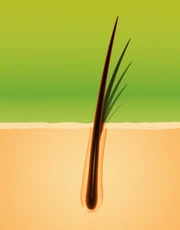
| Brushing stimulates hair growth | Hair grows from the follicle under the skin. Brushing only touches the hair shaft, and it can’t make it grow faster. |
| 100 strokes a day makes hair healthier | More brushing means more friction, frizz and split ends. Brush only as much as you need to style. |
| A boar bristle brush is a detangler | It’s a smoothing and finishing brush. Pulling it through knots snaps hairs. |
| Natural bristles can’t damage hair | Any brush can damage hair if it pulls, catches or is used roughly, natural or not. |
What does a boar bristle brush actually do?
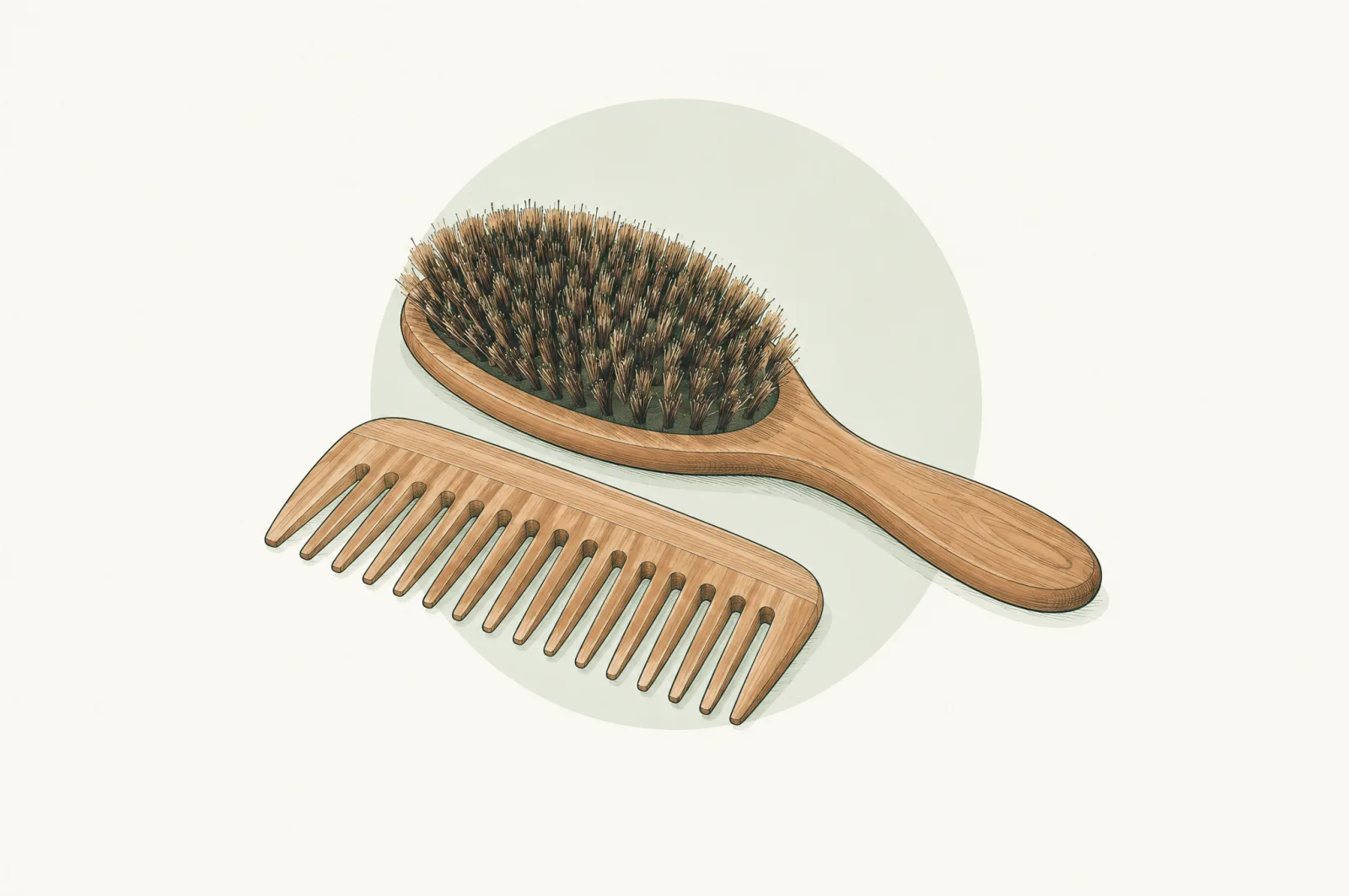
Boar bristles are made of keratin, the same protein as your hair. As you brush, they pick up oil from near the scalp and carry it down the lengths, which smooths the surface of the hair and adds shine. That’s why they’re popular for fine, straight hair, which can look greasy at the roots and dry at the ends.
Who should avoid a boar bristle brush?
- Curly, coily and Afro hair, which breaks easily and loses its curl pattern with brushing. Many people with curls detangle with their fingers or a wide-toothed comb instead.
- Fragile, bleached or chemically treated hair, which snaps more easily under friction.
- Thick hair, which pure boar bristles often can’t get through without pulling.
- A sore, itchy or flaky scalp, which brushing can irritate further. An itchy scalp needs its cause finding first.
How to brush without damaging your hair
- Detangle first with a wide-toothed comb, starting at the ends and working up.
- Brush dry hair. Wet hair stretches and breaks more easily.
- Stop if brushing pulls, snaps hairs or hurts your scalp.
- Clean your brush regularly, as oil, skin and product build up in the bristles.
If your hair keeps snapping or feels rough whatever brush you use, the breakage may come from heat, colouring or something going on inside.
If something isn’t right with your hair or scalp, a consultation is where I take your history, examine your hair and scalp closely and give you a written plan.
Questions
Are boar bristle brushes bad for your hair?
Not for everyone. They suit fine to medium, straighter hair, but can break curly, fragile or chemically treated hair, especially if used often or roughly.
Is a boar bristle brush good for fine hair?
Often, yes. Fine hair tends to get oily roots and dry ends, and the bristles spread the oil along the lengths. Use a soft one and brush gently.
Can I use a boar bristle brush on curly hair?
It isn’t usually a good idea. Brushing curly hair causes frizz and breakage. A wide-toothed comb on conditioned hair is gentler.
Does a boar bristle brush help hair grow?
No. Hair growth happens in the follicle under the skin. A brush only affects the hair you can already see.