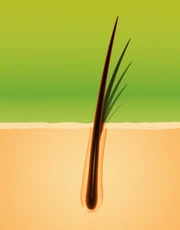

What is dandruff?
Your scalp sheds dead skin all the time, usually in pieces too small to see. With dandruff, the skin renews itself faster than usual and the dead cells clump together into flakes you can see in your hair and on your shoulders.
It’s one of the most common scalp problems at any age after puberty, and it tends to come and go. Its medical name is pityriasis capitis. At the milder end, dandruff and seborrhoeic dermatitis are part of the same condition.
Not sure your flakes are dandruff? Scalp conditions compares dandruff, seborrhoeic dermatitis and psoriasis.
The short answer
Dandruff is white or grey flakes of skin from the scalp, often with some itching. It’s caused by the scalp over-reacting to a yeast that lives on everyone’s skin, not by poor hygiene. It isn’t harmful or catching, and an anti-dandruff shampoo used the right way keeps most dandruff under control.
What causes dandruff?
There’s rarely just one cause. These are the things that start dandruff off or make it worse.
A natural scalp yeast
Malassezia lives on everyone’s scalp and feeds on its oil. In people prone to dandruff, the skin over-reacts to it, speeding up skin turnover.
Oily skin
Dandruff is most common from the teenage years, when the scalp produces more oil, and is often worse in people with an oily scalp.
The time of year
Many people find dandruff worse in autumn and winter, with cold air outside and central heating inside.
Stress and illness
Dandruff often flares when you’re stressed, run down or unwell.
Washing too little
Leaving it longer between washes doesn’t cause dandruff, but it lets flakes build up and can make it more noticeable.
Products and oils
Heavy oils left on the scalp can feed the yeast, and some styling products irritate. Flakes from product build-up can look like dandruff too.
Dandruff isn’t caused by poor hygiene, and you can’t catch it from anyone else.
Dandruff symptoms
- White or grey flakes in your hair and on your shoulders
- An itchy scalp, often worse if you leave it longer between washes
- Flakes that are slightly oily rather than powdery
- Flaking all over the scalp rather than in clear patches
- Symptoms that come and go, often worse in winter
Redness, greasy yellowish scale and flaking on your eyebrows or beside your nose point to seborrhoeic dermatitis. Thick, raised, silvery patches with clear edges are more likely to be scalp psoriasis.
Many people with dandruff think they have a dry scalp, and treat it with oils that can make it worse. Dandruff flakes are usually bigger and slightly oily; a dry scalp sheds fine, powdery flakes and feels tight. How to tell a dry scalp from dandruff.
How to get rid of dandruff
Dandruff can’t be cured for good, but it can almost always be controlled. The right anti-dandruff shampoo, used the right way, is the main treatment.
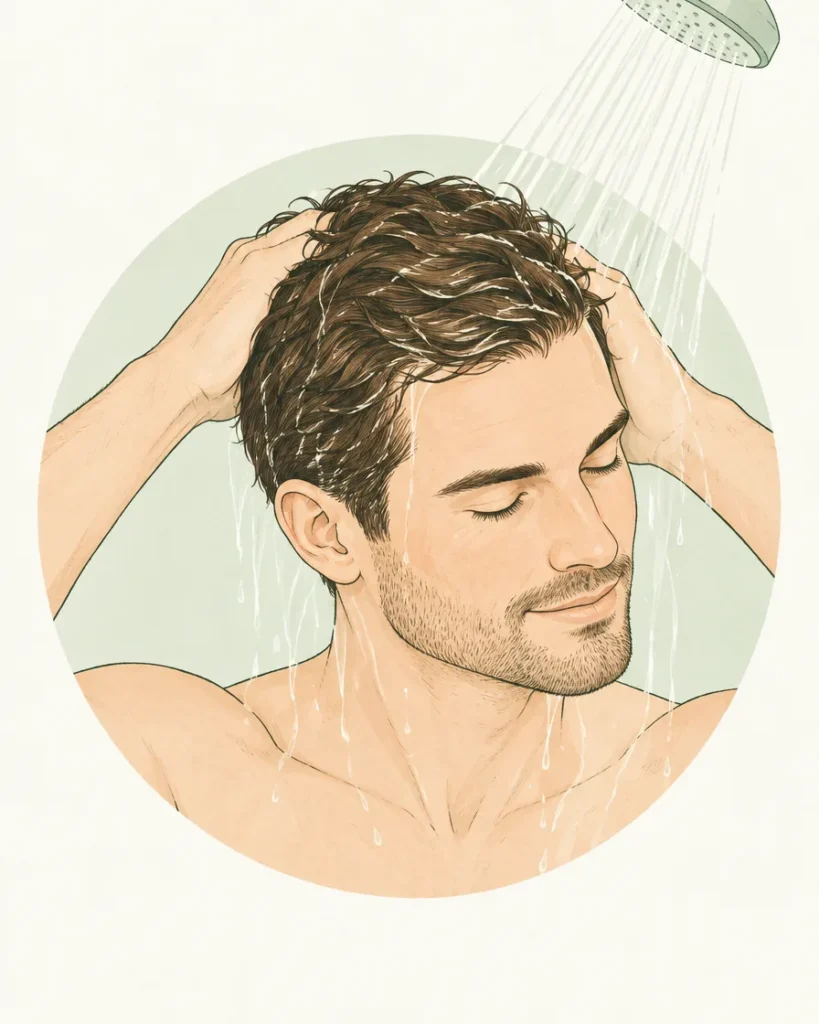
- Wash your hair more often while it’s bad, even every day, rather than less.
- Massage the shampoo into your scalp, not just your hair, and leave it on for a few minutes before rinsing.
- Use it for at least a month before deciding whether it works.
- Once it’s under control, keep using it once or twice a week to stop it coming back.
- Use conditioner on the lengths, not the scalp, and rinse everything off well.
Which dandruff shampoo?
Look at the active ingredient rather than the brand. Anti-dandruff shampoos contain zinc pyrithione, salicylic acid, selenium sulfide, ketoconazole or coal tar. If one hasn’t helped after a month, try one with a different ingredient. A pharmacist can help you choose.
Severe dandruff and when to get help
If you’ve given two or three anti-dandruff shampoos a month each and your scalp is no better, it may not be dandruff at all. Seborrhoeic dermatitis, psoriasis, a product reaction and scalp ringworm can all look like severe dandruff.
It’s worth getting it checked if:
- your scalp is red, sore, weeping or very itchy
- flaking has spread to your face, ears or eyebrows
- you have thick patches of scale
- you’re losing hair, or have patches with broken hairs
- a child over a year old has a flaky scalp, which is more often ringworm than dandruff
A GP can prescribe stronger treatment when it’s needed.
How I can help
Most people I see with dandruff have already spent a lot on shampoos that didn’t work. At a consultation in Forest Row we spend about an hour together: I examine your scalp closely, find out what you really have, and go through your routine, products and health.
You leave with a written plan: what to wash with, how often and how, what to stop using and how to keep your scalp calm afterwards. If you need a prescription treatment, I’ll write to your GP. What happens at a consultation.
When to see your GP first
Please see your GP or call NHS 111 if:
- your hair loss came on suddenly and you feel unwell
- your scalp is very painful, swollen, weeping or bleeding
- you have patches of hair loss with redness or scarring that are spreading quickly
- you think a new medicine may be the cause. Don’t stop it without speaking to your doctor
You can still see me as well. I’ll happily liaise with your GP if further tests are needed.
Questions about dandruff
If yours isn’t here, send me a message and I’ll get back to you.
Can dandruff cause hair loss?
Not directly. Dandruff doesn’t damage the hair follicles. Scratching can break hairs, and a very inflamed scalp can add to shedding, but this recovers once the scalp is calm.
Is dandruff caused by not washing your hair?
No. Dandruff is the scalp over-reacting to a natural yeast. Washing less often lets flakes build up, so it can look worse, but it isn’t the cause.
Is dandruff contagious?
No. You can’t catch dandruff from someone else or from sharing a brush.
Why does my dandruff keep coming back?
Dandruff is a long-term tendency, so it comes back when you stop treating it. Using an anti-dandruff shampoo once or twice a week usually keeps it away.
Can stress cause dandruff?
Stress doesn’t cause dandruff on its own, but it often makes it flare.
Do children get dandruff?
Babies get cradle cap, which is similar. Dandruff usually starts around puberty. In younger children, a flaky scalp is often ringworm and needs to be checked by a GP. Cradle cap.
Should I put oil on dandruff?
Usually not. The yeast behind dandruff feeds on oil, so oils left on the scalp can make it worse.
Let’s find out what’s going on
Book online at a time that suits you. If you have a question first, send me a message.