
The short answer
Vitamins for hair growth only help if you’re short of them. The deficiencies most often linked to hair loss are iron, vitamin D, vitamin B12, zinc and protein, and they usually cause shedding all over the head. A blood test shows whether you’re low. Taking supplements you don’t need won’t make hair grow faster, and some, in large amounts, can make hair loss worse.
Which vitamins for hair loss matter most?
| Nutrient | Why hair needs it, and where it comes from |
|---|---|
| Iron | Low iron stores (ferritin) are one of the commonest causes of shedding in women. Red meat, pulses, dark green vegetables, fortified cereals. |
| Protein | Hair is made of a protein, keratin, so protein matters for hair growth. Eggs, fish, meat, dairy, beans, lentils, tofu. |
| Vitamin B12 | Needed to make healthy cells. Low B12 is more common in vegans, older people and those with stomach or gut conditions. Meat, fish, eggs, dairy, fortified foods. |
| Vitamin D | Low levels are common in the UK, especially in winter, and are often found in people with hair loss. Sunlight, oily fish, eggs, fortified foods. |
| Zinc | Helps hair tissue grow and repair, though zinc deficiency is uncommon in the UK. Meat, shellfish, seeds, pulses, wholegrains. |
What about biotin?
Biotin is in most “hair vitamins”, but deficiency is rare, and there’s no good evidence that extra biotin helps hair grow if your levels are normal. High doses can also upset some blood test results, including thyroid tests, so tell your GP if you take it before a blood test.
Can vitamins cause hair loss?
Yes, in too high a dose. Too much vitamin A or selenium can cause hair loss, and several hair supplements contain both. More isn’t better. If you think you’re low in something, ask your GP for a blood test first.
Diet, weight loss and shedding
Crash diets, very low calorie plans, eating disorders and fast weight loss are common triggers of shedding two to three months later, because the body puts hair low on its list when food is short. This shedding is called telogen effluvium, and it’s common after weight-loss injections too. Regular meals with enough protein matter more than any supplement.
Gut problems such as coeliac disease or Crohn’s disease, heavy periods and some medicines can lower your levels even when you eat well.
If something isn’t right with your hair or scalp, a consultation is where I take your history, examine your hair and scalp closely and give you a written plan.
Questions
What is the best vitamin for hair growth?
There isn’t one. A vitamin only helps if you’re low in it. Iron, vitamin D, B12 and zinc are the ones most often linked to hair loss, and a blood test shows which, if any, you need.
Do hair vitamins work?
Not if your levels are already normal. Most people who eat a varied diet get enough. Hair vitamins mainly help people who are deficient.
What vitamin deficiency causes hair loss?
Low iron is the most common. Low vitamin D, B12 and zinc have also been linked to shedding, usually all over the head.
Which foods help hair growth?
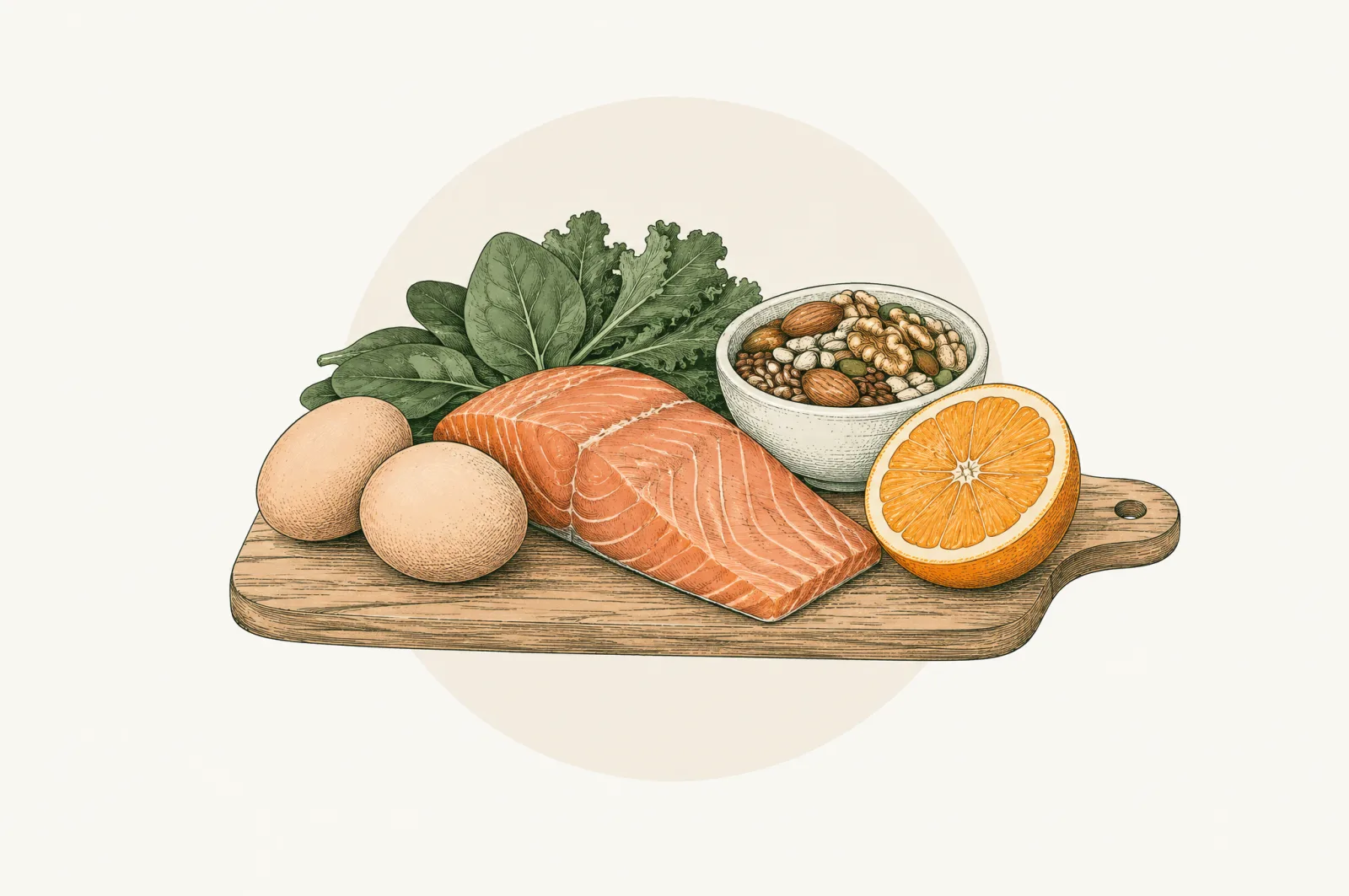
A varied diet with enough protein, iron-rich foods, oily fish, eggs, pulses, nuts and seeds, fruit and vegetables gives hair what it needs.