What is postpartum hair loss?
Many women love their hair in pregnancy: thicker, shinier and shedding less than ever. Then, a few months after the birth, it starts coming out in handfuls, in the shower, on the brush and all over the baby. Just when you’re short of sleep and adjusting to a new baby, it can be really upsetting.
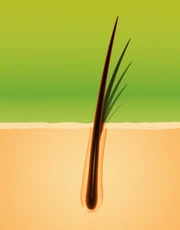
Postpartum hair loss, also called postnatal hair loss, is a form of telogen effluvium. It’s very common, it doesn’t damage the hair follicles, and the hair grows back.
As a mother myself, I know how unsettling it is. Most of the time it’s simply your hair cycle catching up. Sometimes something else is going on as well, and that’s when it’s worth having it looked at.
The short answer
Postpartum hair loss is heavy shedding that usually starts two to four months after having a baby. During pregnancy you keep more hairs than usual; after the birth they all shed at once. It’s temporary, and for most women hair is back to normal by the time their baby is about a year old.
Why do you lose hair after pregnancy?
It isn’t that you’re losing extra hair. You’re losing the hair you didn’t shed while you were pregnant, all within a few months. That’s why it can feel so dramatic.
You may notice:
- Much more hair when you wash or brush it
- Less volume all over, and a thinner ponytail
- Thinning at the temples and along the front hairline
- Short, fluffy new hairs sticking up around your face as it grows back
The birth itself can add to it. A long labour, a caesarean, heavy blood loss, lack of sleep and not eating well while you look after a newborn are all strains on the body.
Postpartum hair loss affects the whole scalp. Smooth bald patches are not part of normal postpartum shedding: they can be alopecia areata, which can be triggered after childbirth. Get them checked.
When does postpartum hair loss start and stop?
Every woman is different, but the shedding usually follows the same pattern.
During pregnancy
Higher oestrogen keeps more hairs in the growing stage, so you shed less and your hair can feel thicker.
Two to four months after birth
Hormone levels fall back to normal, and all the hairs that were held on to move into the resting stage and shed together. Shedding often peaks around four months.
Six to twelve months after birth
Shedding slows down and short new hairs appear, especially along the hairline. Most women are back to normal by their baby’s first birthday.
When it’s more than postpartum shedding
Childbirth is a common trigger, but it isn’t always the only one. It’s worth looking more closely if:
- heavy shedding is still going on more than six months after the birth
- there’s no sign of regrowth by the time your baby is a year old
- your parting is widening or more of your scalp is showing
- you have bald patches, or a red, sore or itchy scalp
- you’re also very tired, low or have noticed thinning eyebrows
Hair loss after one pregnancy doesn’t always follow the same course after the next. If the shedding after your second or third baby is different, or your hair is getting finer, have it assessed rather than putting it down to normal shedding.
Other causes to rule out
Low iron
Blood loss at the birth and the demands of pregnancy can leave iron stores low, which can keep shedding going. A blood test answers it. Blood tests for hair loss.
Thyroid problems
Postpartum thyroiditis affects some women in the first year after birth. Tiredness, low mood and weight change are easy to put down to a new baby. Thyroid hair loss.
Female pattern hair loss
Pregnancy can bring out an inherited tendency to thinning on top. If your parting stays wide after the shedding stops, this may be why. Female pattern hair loss.
Alopecia areata
Round, smooth bald patches that appear suddenly. They need a different approach from shedding. Alopecia areata.
Stopping the pill or starting it again
Changes in contraception after the birth can trigger more shedding of their own.
Tight styles
Scraping hair back away from the baby every day can pull on the hairline. Vary your style and use soft bands. Traction alopecia.
Looking after your hair while it recovers
You can’t stop postpartum shedding, but you can protect the hair you have and help it grow back well.
- Keep washing as normal. The hairs that come out were already going to fall.
- Use a conditioner and detangle gently with a wide-toothed comb, starting at the ends.
- Choose soft scrunchies and looser styles, and vary where you tie your hair.
- Keep heat styling down, and use a heat protectant when you do.
- Eat regular meals with enough protein, even when time is short.
- A shorter cut or a few layers can make thinner hair look fuller while it grows back.
Postpartum hair loss treatment
Most postpartum hair loss needs no treatment: it recovers on its own as your hair cycle settles. Treatment is about finding and putting right anything that’s keeping it going.
- Check your iron and thyroid if shedding is heavy or going on for a long time. I can tell you which tests to ask your GP for.
- Vitamins and supplements only help if you’re low in something. Test first rather than guessing.
- A scalp and hair routine made for you protects new growth and keeps your scalp healthy.
- If thinning continues once the shedding has stopped, we look at female pattern hair loss and its treatments.
If you’re breastfeeding, check with your GP or pharmacist before taking any supplement or using a hair loss treatment. Some, including minoxidil, aren’t recommended while you’re breastfeeding.
How I can help
At a consultation in Forest Row we spend about an hour together. I listen to what has changed and when, then examine your hair and scalp closely.
- your pregnancy, the birth, blood loss and breastfeeding
- sleep, diet, stress and contraception
- your health, medication and any family history of thinning
- whether new hairs are coming through, and whether the thinning is all over or patterned
Please bring any recent blood test results and a list of the supplements you take. You leave knowing whether this is normal postpartum shedding or something else, and with a written plan. What happens at a consultation.
When to see your GP first
Please see your GP or call NHS 111 if:
- your hair loss came on suddenly and you feel unwell
- your scalp is very painful, swollen, weeping or bleeding
- you have patches of hair loss with redness or scarring that are spreading quickly
- you think a new medicine may be the cause. Don’t stop it without speaking to your doctor
You can still see me as well. I’ll happily liaise with your GP if further tests are needed.
Questions about postpartum hair loss
If yours isn’t here, send me a message and I’ll get back to you.
Is hair loss after pregnancy normal?
Yes. Heavy shedding a few months after having a baby is very common, and it’s temporary.
How long does postpartum hair loss last?
The shedding usually lasts a few months, often peaking around four months after the birth. Most women’s hair is back to normal within a year.
Will my hair grow back after pregnancy?
Yes. Postpartum hair loss doesn’t damage the follicles. Short new hairs along your hairline are the first sign it’s growing back.
Why is my hair still falling out a year after giving birth?
Shedding that goes on past a year usually has another cause, such as low iron, a thyroid problem or female pattern hair loss. It’s worth having it assessed.
Can you get bald spots after pregnancy?
Normal postpartum shedding thins the hair all over and at the temples, but it doesn’t cause smooth bald patches. Round bald patches may be alopecia areata, which can start after childbirth.
Does breastfeeding make postpartum hair loss worse?
There’s no good evidence that it does. Breastfeeding does make extra demands on your body, so eating well and checking your iron matters.
Can you lose hair during pregnancy?
It’s less common, as most women shed less while pregnant. If it happens, low iron and thyroid problems are worth checking with your midwife or GP.
Let’s find out what’s going on
Book online at a time that suits you. If you have a question first, send me a message.